

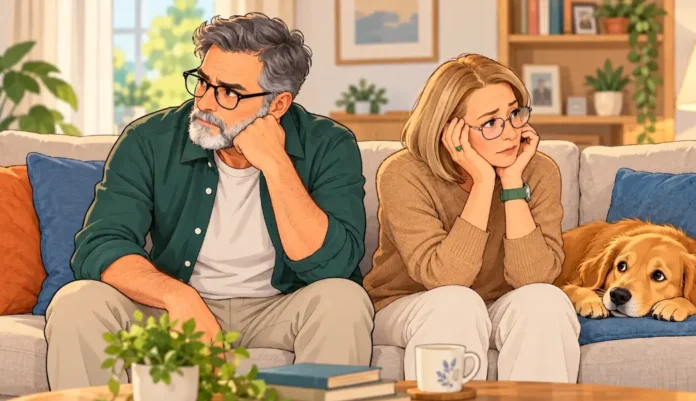

¿Por qué las parejas se distancian después de los 50 años?
WomanlyZine.com
Las parejas pueden distanciarse después de los 50 debido a la jubilación, el síndrome del nido vacío, los cambios en la salud, el estrés financiero y años de conflictos sin resolver, que pueden disminuir la conexión emocional. Reconstruir la cercanía comienza con una comunicación honesta, experiencias compartidas, afecto, intereses individuales y abordar los problemas de pareja o de salud que generan distanciamiento.
¿Por qué las parejas se distancian después de los 50? A menudo, el distanciamiento emocional entre las parejas después de los 50 no se debe a que dejen de amarse repentinamente, sino a que la estructura de sus vidas cambia. La jubilación, la independencia de los hijos adultos, las responsabilidades de cuidado, los cambios en la salud, las preocupaciones financieras, la reducción de las redes sociales y los años de desacuerdos sin resolver pueden sacar a la luz problemas que antes estaban ocultos por las responsabilidades laborales y familiares.
La buena noticia es que la distancia emocional no significa automáticamente que una relación haya terminado. Para muchas parejas, los años posteriores a los 50 pueden convertirse en una oportunidad para construir un tipo de relación diferente: una basada menos en la crianza de los hijos o la administración del hogar y más en la compañía, la conexión emocional, los valores compartidos, el afecto y el tiempo de calidad juntos.
Tabla de contenido
¿Qué significa “distanciarse” en una relación a largo plazo?
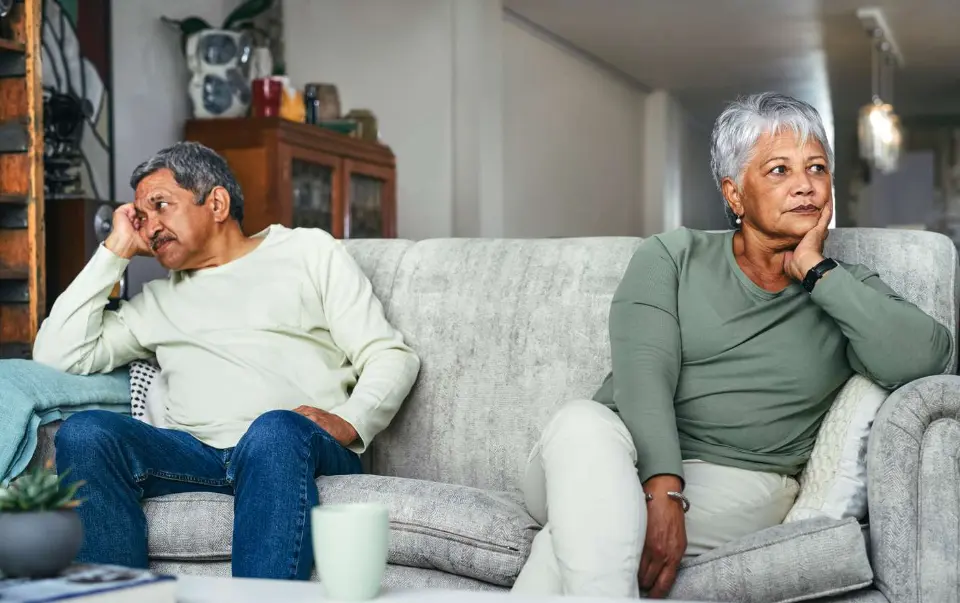
El distanciamiento suele referirse a una reducción gradual de la conexión emocional, la comunicación, las actividades compartidas, el afecto o la curiosidad mutua.
Es diferente a tener un desacuerdo ocasional.
Una pareja aún puede:
- Vivir en la misma casa
- Compartir finanzas
- Asistan juntos a eventos familiares.
- Cuidar de las responsabilidades del hogar
- Hablar de horarios y asuntos prácticos
Sin embargo, rara vez hablan de lo que sienten, desean, temen o esperan.
Esto crea una distinción importante entre vivir juntos y sentirse conectado.
Las investigaciones y las directrices de salud pública también distinguen entre soledad y aislamiento social. Una persona puede estar rodeada de gente y aun así sentirse sola si le falta una conexión emocional significativa.
Esa distinción es particularmente relevante para las parejas que mantienen una relación a largo plazo.
¿Por qué las parejas suelen distanciarse después de los 50?
No existe una única explicación. Los cambios en las relaciones después de los 50 suelen ser el resultado de varias transiciones que ocurren aproximadamente en la misma etapa de la vida.
1. La pareja pierde las rutinas que antes los unían.
Para muchas parejas, el matrimonio durante décadas gira en torno a responsabilidades prácticas:
- Criar hijos
- Laboral
- Gestionar un hogar
- Pagar facturas
- Supporting aging parents
- Asistir a actividades escolares
- Construyendo carreras
Estas responsabilidades proporcionan una estructura predefinida.
Cuando los hijos se van de casa o la jubilación reduce las obligaciones laborales, las parejas pueden descubrir de repente que tienen menos actividades en común.
La pregunta cambia de:
“¿Qué tenemos que hacer hoy?”
a:
“¿Qué queremos hacer juntos realmente?”
Esa transición puede ser sorprendentemente difícil.
Una pareja que ha funcionado eficazmente durante 25 años como equipo de crianza o de gestión del hogar puede necesitar redescubrir intencionalmente su identidad como pareja.
2. La jubilación puede cambiar la dinámica de la relación.
La jubilación no es simplemente una transición financiera. Puede cambiar la forma en que las parejas pasan el tiempo, dividen las responsabilidades, interactúan socialmente y perciben sus roles.
Puede que uno de los miembros de la pareja esté entusiasmado por tener más tiempo libre, mientras que el otro puede experimentar el cambio como algo estresante o perturbador.
Una investigación realizada con 5867 adultos mayores de 45 años en una cohorte longitudinal coreana reveló que la relación entre la jubilación y la satisfacción marital variaba según el sexo en esta población. Los investigadores observaron una mayor satisfacción entre los hombres jubilados en comparación con los hombres que no se habían jubilado, mientras que las mujeres jubiladas reportaron una menor satisfacción en comparación con las mujeres que no se habían jubilado. El estudio subraya la importancia de no asumir que la jubilación afecta a ambos miembros de la pareja de la misma manera.
Esto no significa que la jubilación cause problemas matrimoniales a todo el mundo.
Más bien, la jubilación puede poner de manifiesto diferencias que antes eran manejables porque el trabajo proporcionaba horarios, identidades, redes sociales y espacios personales independientes.
Un escenario común
Uno de los miembros de la pareja imagina la jubilación de la siguiente manera:
“Por fin podemos pasar todo el tiempo juntos.”
El otro lo imagina así:
“Por fin tengo tiempo para dedicarme a mis propios intereses.”
Ninguna de las dos expectativas es intrínsecamente errónea.
El problema surge cuando las parejas nunca hablan de estas expectativas.
3. Los hijos adultos se van, pero el ajuste emocional puede llevar más tiempo.
Cuando los hijos se independizan, los padres pueden experimentar un cambio importante en su identidad.
Durante décadas, las conversaciones pueden haber girado en torno a:
- Escuela
- Crianza de los hijos
- Salud
- Carreras profesionales
- Actividades familiares
- Children’s relationships
Después, puede que de repente haya mucho menos de qué hablar.
Algunas parejas descubren que su relación se organizó en torno a sus hijos en lugar de en torno al otro.
Esto no significa necesariamente que el matrimonio fuera tóxico. Significa que la relación necesita una nueva estructura.
La transición puede resultar especialmente difícil cuando uno de los miembros de la pareja sigue definiéndose principalmente a través de su rol como padre o madre.
4. Años de resentimiento no resuelto se acumulan
Las relaciones a largo plazo crean historia.
Esa historia puede incluir tanto recuerdos maravillosos como heridas sin resolver.
Un desacuerdo que nunca se resolvió adecuadamente puede desaparecer de la conversación diaria, aunque siga presente a nivel emocional.
Con el tiempo, las parejas pueden desarrollar patrones predecibles:
Crítica → actitud defensiva → retraimiento → más crítica
Con el tiempo, las parejas pueden dejar de discutir, no porque el problema esté resuelto, sino porque ya no creen que la discusión vaya a cambiar nada.
Esto puede dar lugar a una relación que parece pacífica desde fuera, pero que se siente emocionalmente desconectada por dentro.
Por lo tanto, la ausencia de conflicto no siempre es prueba de cercanía.
A veces es una señal de que uno o ambos miembros de la pareja han dejado de intentarlo.
5. La salud y el envejecimiento pueden cambiar la intimidad.
Después de los 50, la salud física puede convertirse en una parte más visible de una relación.
Las enfermedades crónicas, las limitaciones de movilidad, los problemas de sueño, los efectos de los medicamentos, las dificultades auditivas, los cambios relacionados con la menopausia, las dificultades de erección y los cambios en la energía física pueden afectar la intimidad y la comunicación.
Estos cambios no deben interpretarse automáticamente como un rechazo.
Por ejemplo, una disminución de la actividad sexual puede deberse a múltiples factores, como la salud, la medicación, el estrés, los conflictos de pareja, los cambios hormonales o la fatiga.
La pregunta importante no es simplemente:
“¿Por qué no tenemos relaciones sexuales con más frecuencia?”
Una pregunta más útil podría ser:
“¿Cómo ha cambiado nuestra experiencia del afecto, el tacto, la atracción y la intimidad emocional?”
La intimidad después de los 50 no tiene por qué ser exactamente igual que la intimidad a los 30.
Es posible que las parejas necesiten redefinir la cercanía en torno al afecto, el contacto físico, la conversación, la compañía, la sexualidad y la seguridad emocional.
6. Las parejas pueden aislarse socialmente juntas.
Un problema sorprendente es que las parejas pueden llegar a aislarse socialmente como unidad.
Los amigos se mudan.
Los compañeros se jubilan.
Los padres y los familiares mueren.
Los hijos adultos se ocupan de sus propias familias.
La movilidad puede disminuir.
El círculo social de la pareja puede ir reduciéndose gradualmente.
El Instituto Nacional sobre el Envejecimiento señala que los adultos mayores pueden enfrentarse a un mayor riesgo de soledad y aislamiento social debido a cambios en la salud, la movilidad, la audición o la visión, las relaciones y las redes sociales.
Esto es importante para las parejas porque no se debe esperar necesariamente que una relación proporcione todo tipo de conexión emocional y social.
Healthy relationships can coexist with friendships, community involvement, hobbies, family relationships, and other meaningful connections.
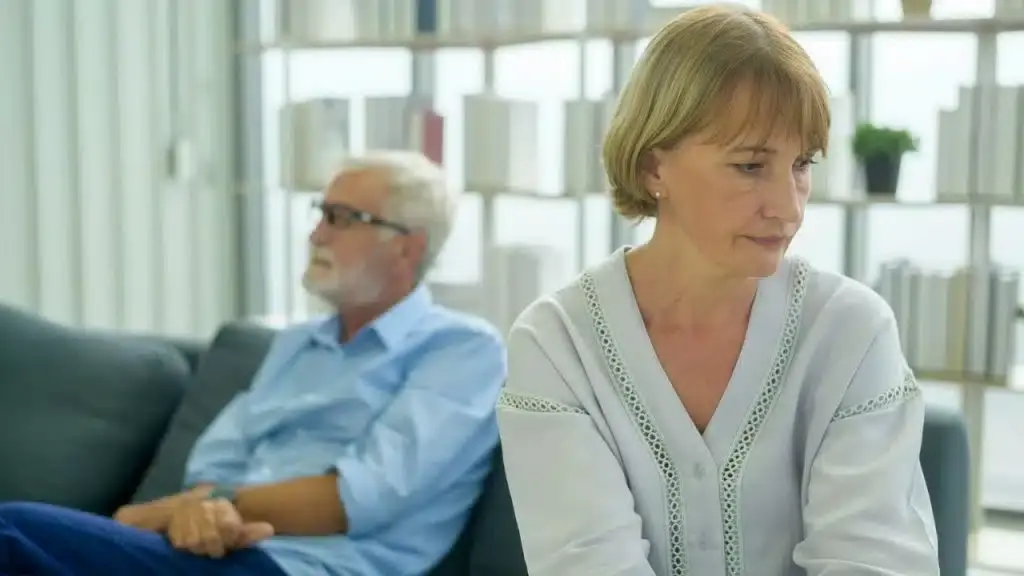
La diferencia entre la distancia emocional y una relación irreparable.
Sentirse desconectado no significa automáticamente que una relación sea irreparable.
Una distinción útil es si aún existe cierta voluntad de participar en la reconstrucción de la relación.
Señales de que la relación puede necesitar una reconstrucción intencional
- Las conversaciones son casi exclusivamente prácticas.
- Pasan tiempo juntos, pero rara vez conectan emocionalmente.
- Evitas los temas difíciles porque las discusiones siempre acaban en peleas.
- Se sienten más como compañeros de piso que como pareja.
- Has dejado de mostrar aprecio.
- Rara vez experimentas afecto o cercanía física.
- Ya no hacéis planes para el futuro juntos.
- Uno o ambos miembros de la pareja se sienten crónicamente solos dentro de la relación.
Es importante tomar en serio la soledad. Los CDC señalan que la soledad y el aislamiento social están asociados con mayores riesgos para la salud mental y física, incluyendo depresión, ansiedad, enfermedades cardiovasculares y otras afecciones graves.
¿Cómo pueden las parejas volver a estrechar lazos después de los 50?
Reconstruir la conexión suele funcionar mejor cuando las parejas se centran en pequeños cambios repetidos en lugar de intentar resolver décadas de problemas de relación en una sola conversación.
1. Empieza con curiosidad en lugar de crítica.
En lugar de:
“Ya no te importo.”
Intentar:
“Siento que últimamente nos hemos distanciado. Me gustaría entender cómo te has sentido respecto a nosotros.”
El segundo enfoque no garantiza una respuesta positiva, pero crea más espacio para el diálogo.
El objetivo de la primera conversación no es determinar quién tiene razón.
El objetivo es comprender qué ha cambiado.
2. Programar la conexión, no solo las responsabilidades.
Muchas parejas programan:
- citas médicas
- Eventos familiares
- Reuniones financieras
- Viajar
- Tareas domésticas
Pero no reservan tiempo para la relación en sí.
Consideren la posibilidad de establecer un período recurrente para conectar con la pareja.
Podría ser:
- Un paseo vespertino de 20 minutos
- Coffee together on Saturday morning
- Una comida semanal sin teléfonos
- Una excursión de un día al mes
- A shared exercise routine
- Una cita nocturna habitual
La actividad en sí es menos importante que crear oportunidades predecibles para conectar con los demás.
El NIA recomienda específicamente mantenerse conectado a través de actividades, comunicación, interacción social significativa y actividad física.
3. Reconstruye la amistad antes de intentar solucionarlo todo.
Long-term romantic relationships contain several dimensions:
Pareja + amigos + familia + equipo doméstico + relación íntima
Cuando las parejas se distancian, a menudo se centran inmediatamente en el romance o el sexo.
A veces, el mejor punto de partida es la amistad.
Haz preguntas como:
- ¿Qué es lo que más esperas con ilusión este año?
- ¿Qué te ha resultado difícil últimamente?
- ¿Hay algo que siempre hayas querido probar?
- ¿Qué es lo que más echas de menos de nuestros primeros años?
- ¿Qué haría que los próximos cinco años fueran significativos para usted?
- ¿Qué les gustaría que hiciéramos de forma diferente?
Estas preguntas recuperan algo que la rutina suele eliminar: la curiosidad.
4. Crear vidas separadas, así como una vida compartida.
Para estrechar lazos no es necesario hacerlo todo juntos.
De hecho, mantener los intereses individuales puede brindar a las parejas más cosas que compartir.
Cada persona puede tener:
- Sus propios amigos
- Aficiones individuales
- actividades de ejercicio
- Metas personales
- Períodos separados de tranquilidad
- Intereses profesionales o de voluntariado
El objetivo no es la máxima unión.
Se trata de una conexión sana combinada con una autonomía sana.
5. Sustituya “ganar la discusión” por “resolver el problema”.
Tras décadas juntos, las parejas pueden volverse extremadamente hábiles para recordar errores del pasado.
Esa habilidad rara vez resulta útil.
En lugar de preguntar:
“¿Quién empezó esto?”
Preguntar:
“¿Qué patrón se repite entre nosotros?”
Por ejemplo:
Patrón antiguo:
Un miembro de la pareja se queja → el otro se pone a la defensiva → el primer miembro de la pareja se vuelve más crítico → el segundo miembro de la pareja se retira.
Nuevo objetivo:
Identificar el patrón → ralentizar la conversación → discutir un tema → identificar un cambio práctico.
Esto cambia el enfoque, pasando de la culpa al comportamiento.
Un plan práctico de reconexión de 30 días
Las parejas que deseen un punto de partida concreto pueden utilizar un marco de trabajo sencillo de cuatro semanas.
Semana 1: Reconectar
Dediquen entre 15 y 20 minutos al día a estar juntos sin televisión ni teléfonos.
Habla de tu día en lugar de la logística del hogar.
Preguntar:
“¿Qué te ha estado preocupando últimamente?”
Semana 2: Reintroducir experiencias compartidas
Elijan dos actividades que ninguno de los dos considere una obligación.
Algunos ejemplos son:
- Caminando
- Cocinando
- Visitar un nuevo restaurante
- Jardinería
- Ver una película favorita
- Hacer una excursión de un día
- Hacer ejercicio juntos
El objetivo es crear nuevos recuerdos compartidos.
Semana 3: Hablar sobre el futuro
Hablemos de los próximos 5 a 10 años.
Conversar:
- Dónde quieres vivir
- Viajar
- Dinero
- Salud
- Familia
- Jubilación
- Trabajar
- Amigos
- Aficiones
- Estilo de vida
Esto es especialmente importante después de los 50, porque el futuro puede ser muy diferente del futuro que imaginaste a los 30.
Semana 4: Analizar la relación en sí.
Pregúntense unos a otros:
- ¿Qué es lo que más valoras de nuestra relación?
- ¿Qué echas de menos?
- ¿Qué te gustaría tener más?
- ¿Qué te gustaría tener en menor cantidad?
- ¿Qué es algo que podríamos cambiar juntos?
Cada persona deberá responder sin interrupciones.
¿Cuándo deberían las parejas considerar la posibilidad de buscar ayuda profesional?
La terapia de pareja profesional puede ser útil cuando las parejas se quedan atrapadas repetidamente en el mismo ciclo de comunicación o no pueden hablar de temas importantes sin que la situación se agrave o se produzca un distanciamiento.
Puede ser particularmente apropiado cuando hay:
- Desconexión emocional persistente
- Conflicto repetido sin resolver
- Desacuerdos importantes sobre la jubilación o las finanzas.
- Dificultad para adaptarse al nido vacío
- Preocupaciones sexuales o relacionadas con la intimidad
- Estrés del cuidado
- Transiciones importantes en la vida
- Infidelidad o violaciones graves de la confianza
El apoyo individual en materia de salud mental también puede ser apropiado cuando la depresión, la ansiedad, el duelo o la soledad prolongada están afectando la relación.
El NIA señala que el aislamiento social y la soledad están asociados con la depresión y otros problemas de salud en los adultos mayores, y recomienda hablar sobre la soledad persistente o las principales dificultades de la vida con un profesional de la salud.
Es importante destacar que la terapia de pareja no es solo para parejas que están considerando la separación.
Algunas parejas recurren a la terapia de pareja como una forma estructurada de mejorar la comunicación antes de que los problemas se agraven.
No ignores los problemas de audición, sueño y salud.
Un factor que a menudo se pasa por alto y que contribuye al distanciamiento en las relaciones son las dificultades físicas no tratadas.
Por ejemplo, la pérdida auditiva puede hacer que las conversaciones cotidianas resulten agotadoras. Un interlocutor puede parecer distraído o desinteresado cuando simplemente no puede oír con claridad.
El NIA señala específicamente que los problemas de audición no tratados pueden contribuir a una menor interacción social, al aislamiento social y a la soledad.
Del mismo modo, el dolor crónico, la falta de sueño, los efectos de los medicamentos, los problemas de movilidad y otros cambios en la salud pueden afectar el estado de ánimo, la energía, la comunicación y la intimidad.
Por lo tanto, reconstruir una relación después de los 50 no debe considerarse exclusivamente como un proyecto psicológico.
La salud física y la salud de las relaciones suelen estar interrelacionadas.
Lo que las parejas deben evitar
Algunos enfoques pueden aumentar involuntariamente la distancia emocional.
Evita llevar la cuenta
Enumerar todo lo que tu pareja ha hecho mal en los últimos 20 años rara vez crea conexión.
Evite forzar una revelación emocional inmediata.
Puede que uno de los miembros de la pareja necesite más tiempo antes de hablar de sentimientos difíciles.
Evite tratar cada desacuerdo como una crisis de pareja.
Las parejas sanas pueden tener desacuerdos.
El objetivo no es la ausencia total de conflictos, sino la capacidad de gestionarlos sin destruir la seguridad emocional.
Evita dar por sentado que tu pareja sabe lo que necesitas.
Las parejas que mantienen una relación a largo plazo suelen creer que deberían entenderse automáticamente.
No lo hacen.
La gente cambia.
Las necesidades cambian.
Las circunstancias cambian.
La comunicación debe cambiar con ellos.
Evita que esa relación se convierta en todo tu mundo social.
Maintaining friendships, family relationships, community connections, and meaningful activities can support overall well-being. CDC guidance emphasizes that social connection involves a broader network than one relationship alone.
La oportunidad más profunda después de los 50: construir una nueva relación con la misma persona.
Una de las conclusiones más importantes sobre las relaciones a largo plazo es que las parejas no necesariamente necesitan recrear la relación que tenían a los 30 años.
Es posible que tengan que desarrollar la siguiente versión.
A los 30 años, la conexión puede girar en torno a:
- Carreras profesionales
- Niños
- Construyendo una casa
- Objetivos financieros
- Actividades sociales
A partir de los 50 años, las parejas pueden tener prioridades diferentes:
- Salud
- Libertad
- Viajar
- Amistad
- Relaciones familiares
- Crecimiento personal
- Objetivo
- Compañerismo
- intimidad emocional
Eso significa que reconectar no implica necesariamente volver al pasado.
Puede tratarse de crear un futuro que se ajuste a la persona en la que se han convertido ambos.
Preguntas frecuentes

¿Es normal que las parejas se distancien después de los 50?
El distanciamiento emocional puede surgir durante transiciones importantes en la vida, como la jubilación, la independencia de los hijos, el cuidado de familiares, cambios en la salud y cambios en las redes sociales. Sin embargo, no es inevitable, y las parejas pueden trabajar intencionalmente en la comunicación, las actividades compartidas, la intimidad y la conexión emocional.
¿Puede un matrimonio volver a ser cercano después de años de distanciamiento emocional?
Sí, las parejas pueden fortalecer su vínculo identificando patrones de comunicación recurrentes, reconstruyendo la amistad, creando experiencias compartidas, hablando sobre sus metas futuras y buscando apoyo profesional cuando lo necesiten. El resultado varía de una pareja a otra.
¿Por qué la jubilación a veces genera problemas matrimoniales?
La jubilación transforma las rutinas diarias, la identidad personal, las finanzas, las redes sociales, las responsabilidades domésticas y el tiempo que las parejas pasan juntas. Un estudio realizado con adultos mayores coreanos reveló que la relación entre la jubilación y la satisfacción marital varía según el sexo, lo que demuestra que las parejas pueden experimentar esta transición de manera diferente.
¿Puede existir soledad dentro del matrimonio?
Sí. La soledad es un sentimiento subjetivo de desconexión y no es lo mismo que estar físicamente solo. Una persona puede vivir con su pareja y aun así experimentar soledad si la relación no le proporciona el nivel de conexión significativa que necesita.
¿Con qué frecuencia deberían las parejas pasar tiempo de calidad juntas?
No existe un número universal de horas científicamente establecido que se aplique a todas las parejas. La constancia y la interacción significativa suelen ser objetivos más útiles que un número específico. Incluso breves periodos regulares de conversación sin distracciones pueden crear oportunidades para conectar.
Conclusiones finales
Las parejas a menudo se distancian después de los 50 porque la vida cambia más rápido de lo que la relación se adapta.
La jubilación, el síndrome del nido vacío, los cambios en la salud, el cuidado de familiares, las presiones financieras, la reducción de las redes sociales y años de patrones no resueltos pueden convertir gradualmente una relación íntima en una relación de colaboración práctica.
Pero la distancia emocional no tiene por qué ser permanente.
Un punto de partida útil es sorprendentemente simple:
Habla menos sobre lo que tu pareja está haciendo mal y muestra interés por lo que ha cambiado para ambos.
Luego, creen oportunidades regulares para hablar, pasar tiempo juntos, experimentar nuevas actividades, mantener los intereses individuales, discutir el futuro y abordar los problemas de salud física o emocional cuando interfieran con la conexión.
Las relaciones sociales sólidas se asocian con un mayor bienestar físico y emocional, y organizaciones de salud pública como los CDC y el Instituto Nacional sobre el Envejecimiento destacan la importancia de una conexión social significativa a lo largo de la vejez.
Después de los 50, el objetivo no tiene por qué ser retomar la relación que tenías hace décadas.
Puede ser algo más realista y significativo:
aprender a conocer, apoyar y disfrutar de nuevo de la persona que está a tu lado.
Referencias
- Centros para el Control y la Prevención de Enfermedades (CDC) — Efectos en la salud del aislamiento social y la soledad
Aporta evidencia sobre la relación entre la conexión social, la soledad y los resultados en la salud física y mental.
CDC — Efectos del aislamiento social y la soledad en la salud - Instituto Nacional sobre el Envejecimiento: Depresión y Adultos Mayores
Proporciona información sobre los factores de riesgo de depresión en la edad adulta tardía, incluidos los acontecimientos importantes de la vida, el estrés del cuidador, los problemas de sueño, la soledad, el aislamiento social y la reducción de la actividad física.
NIA — Depresión y adultos mayores