

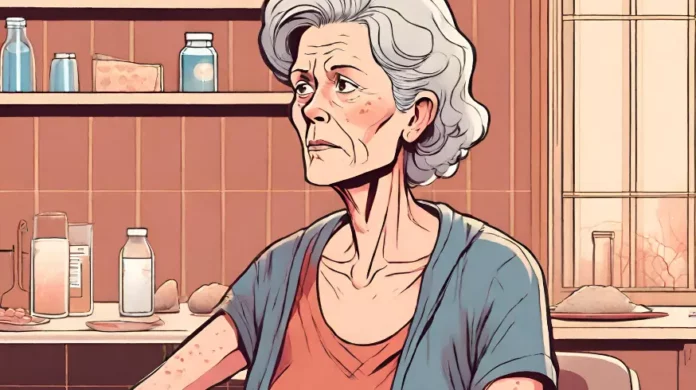

Osteoporosis in middle-aged women is a condition where bone density decreases, making bones weaker and more vulnerable to fractures over time. Early recognition of symptoms, combined with proper nutrition, exercise, and bone density screening, can help reduce risk and support long-term skeletal health.
WomanlyZine.com
Osteoporosis in middle-aged women is a growing concern, as hormonal changes after 40 can accelerate bone loss. Learning how to protect bone health early is key to preventing fractures and long-term complications.
Osteoporosis is a common condition that affects many middle-aged women. It is characterized by the thinning of bones, making them more fragile and prone to fractures. In this comprehensive guide, we will explore the causes, risk factors, prevention strategies, diagnosis, treatment options, and practical tips for living with osteoporosis.

Table of Contents

Understanding Osteoporosis
Osteoporosis, which literally means “porous bone,” is a disease that weakens the internal structure of bones, making them susceptible to fractures even from minor falls or bumps. While fractures can occur in any part of the body, the most common sites are the wrist, hip, and spine.
As we age, our bones naturally undergo a remodeling process, where old bone is broken down and replaced with new bone. Until around the age of 25, bone formation exceeds bone resorption, resulting in increased bone density. From age 25 to 50, bone density tends to remain stable. However, after age 50, bone breakdown outpaces bone formation, leading to accelerated bone loss, especially during menopause.
Causes and Risk Factors
Several factors contribute to the development of osteoporosis in middle-aged women. Women are at a higher risk due to factors such as smaller and less dense bones compared to men. The decline in estrogen levels during menopause also accelerates bone loss.
Other risk factors include:
- Low intake of calcium, vitamin D, potassium, or protein
- Sedentary lifestyle and lack of exercise
- Cigarette smoking
- Excessive alcohol consumption
- Long-term use of certain medications like glucocorticoids
- Eating disorders or low body weight
- Hormonal imbalances, such as low estrogen or testosterone levels
- Medical conditions like overactive thyroid, chronic lung disease, cancer, or vitamin D deficiency
It’s important to note that individuals with a family history of osteoporosis-related fractures are also at a higher risk.
Prevention Strategies

Taking proactive steps to maintain bone mineral density can significantly reduce the risk of developing osteoporosis. Here are some essential strategies for prevention:
1. Adequate Calcium Intake
Calcium plays a crucial role in maintaining strong bones. It is recommended that women age 50 and younger, as well as men under 70, consume 1000 milligrams of calcium daily. For women over 50 and men over 70, the recommended intake increases to 1200 milligrams per day.
Calcium-rich foods include low-fat or fat-free milk, yogurt, leafy greens, tofu, beans, and calcium-fortified foods like breakfast cereals and orange juice. If it’s challenging to meet the calcium requirement through food alone, calcium supplements can be a suitable alternative.
2. Vitamin D Supplementation
Vitamin D is essential for the absorption and incorporation of calcium into the bones. The recommended daily intake is 600 IU of vitamin D for individuals up to age 70 and 800 IU for those over 70. While some foods like fatty fish, fortified dairy products, and egg yolks contain vitamin D, it may be challenging to meet the recommended daily intake through diet alone. Therefore, vitamin D supplements are often necessary to achieve optimal levels.
3. Balanced Diet and Protein Intake
In addition to calcium and vitamin D, a well-balanced diet is crucial for maintaining bone health. Adequate protein intake is essential as it forms the structural framework of bones. Good sources of protein include lean meats, poultry, fish, beans, nuts, and dairy products.
4. Regular Weight-Bearing Exercise
Weight-bearing exercises such as walking, dancing, aerobics, and weight training stimulate bone remodeling and help maintain bone strength. Aim for at least 30 minutes of exercise most days of the week. If you’re unsure about which exercises are suitable for you, consult with a physical therapist who can guide you in designing a safe and effective exercise program.
5. Limit Caffeine and Alcohol Consumption
Excessive consumption of caffeine and alcohol can negatively impact bone health. It’s recommended to moderate your intake of these substances to maintain optimal bone density.
6. Quit Smoking
Smoking not only increases the risk of various health conditions but also leads to significant bone loss in both women and men. Quitting smoking can reduce the added risk of osteoporosis and fractures.
By incorporating these prevention strategies into your lifestyle, you can significantly reduce the risk of developing osteoporosis and maintain healthy bones as you age.
Diagnosis

Early detection of osteoporosis is crucial for initiating appropriate treatment and preventive measures. Bone density tests, such as dual-energy X-ray absorptiometry (DXA or DEXA scan), are recommended for all women aged 65 and older. Younger women at higher risk for fractures may also require bone density testing. Men over 70 or at high risk for thinning bones should discuss osteoporosis screening with their doctors.
A DXA scan measures your bone mineral density (BMD) and compares it to the average BMD of an adult of your sex and race at the age of peak bone mass. The results are reported as T-scores, which categorize bone density as normal, osteopenia (low bone density), or osteoporosis. A T-score of -1 to +1 is considered normal, a T-score of -1 to -2.5 indicates osteopenia, and a T-score of -2.5 or lower signifies osteoporosis.
Your doctor may also use the BMD results to estimate your risk for fractures, particularly hip fractures, in the next 10 years. This fracture prediction takes into account your bone density and other risk factors such as family history and smoking.
Treatment Options
If you are diagnosed with osteopenia or osteoporosis, your doctor will recommend prevention strategies to slow down bone loss and reduce the risk of fractures. Additionally, they may prescribe medication to help strengthen your bones and prevent further bone loss. The choice of medication will depend on the extent of bone loss, your tolerance for different medications, and your individual goals.
The main types of osteoporosis medications include:
- Calcitonin: This medication, available as a once-a-day nasal spray, has shown to reduce spinal fractures by 25%. It is well-tolerated but may have a slight increased risk of cancer.
- Raloxifene: This once-a-day pill reduces spine fractures by approximately 30%. It works by blocking estrogen’s action in some tissues while stimulating it in others. Raloxifene can also reduce the risk of breast cancer but carries a risk of hot flashes and blood clots.
- Bisphosphonates: These medications, available as once-a-day or once-a-month pills or once-a-year intravenous infusions, can reduce the risk of spinal fractures by 50-60% and hip fractures by 50%. Bisphosphonates may cause upper gastrointestinal symptoms with oral use and flu-like symptoms with initial intravenous infusions. Long-term use may rarely lead to poor healing after dental work or stress fractures.
- Denosumab: This under-the-skin injection is given twice a year and can reduce the risk of spine fractures by 50-60% and hip fractures by 50%. Side effects may include skin reactions and a slightly increased risk of infection.
- Parathyroid hormone: Administered as a once-a-day under-the-skin injection, parathyroid hormone can reduce the risk of spine fractures by 65% and other fractures by 53%. It stimulates bone remodeling rather than just slowing down bone breakdown. However, its use is limited to two years, and side effects include skin reactions, increased blood and urine calcium levels, and bone pain.
It’s important to discuss the risks and benefits of each medication with your doctor to make an informed decision. While some osteoporosis medications have received attention for their potential side effects, not taking medication also carries risks, as untreated osteoporosis can lead to fractures and related complications.
Living With Osteoporosis

A diagnosis of osteoporosis doesn’t mean the end of an active and fulfilling life. With proper management and lifestyle adjustments, you can minimize the impact of the condition and maintain your independence. Here are some practical tips for living with osteoporosis:
1. Stay Active and Connected
Engaging in regular physical activity not only strengthens your muscles but also helps maintain bone density. Consult with a physical therapist who can assist in designing a safe exercise program tailored to your needs. Additionally, staying socially connected with loved ones and participating in activities you enjoy can positively impact your overall well-being.
2. Maintain Balance and Prevent Falls
Reducing the risk of falls is crucial for individuals with osteoporosis. Keep your eyeglass prescription up-to-date and seek treatment for any hearing loss, as impaired vision and hearing can contribute to balance problems. Ensure that your home environment is free from hazards that could cause you to trip or fall. If your doctor recommends the use of assistive devices, such as a walker or cane, follow their advice to improve balance and prevent falls.
3. Prioritize a Strong Diet
Support your bone health by preparing meals that include bone-friendly foods and ingredients. Incorporate calcium-rich foods like low-fat or fat-free milk, yogurt, leafy greens, tofu, and beans into your diet. Don’t forget to include sources of vitamin D, potassium, and protein as well. A diet rich in fruits, vegetables, whole grains, and lean proteins contributes to overall health and well-being.
4. Manage Medication Intake
If you are prescribed osteoporosis medications, adhere to your doctor’s instructions and take them as directed. Set reminders or use pill organizers to ensure you don’t miss any doses. If you experience any side effects or have concerns about your medication, don’t hesitate to discuss them with your healthcare provider.
5. Prioritize Mental Health
Living with a chronic condition can sometimes lead to feelings of depression or anxiety. If you’re struggling with your mood or have concerns about your mental well-being, reach out to your doctor or seek support from a mental health professional. Support groups and online communities can also provide a sense of belonging and understanding.
6. Regular Check-Ups and Medication Reviews
Schedule regular check-ups with your healthcare provider to monitor your bone health and assess the effectiveness of your treatment plan. Be open about any changes in your symptoms or concerns you may have. Your doctor may recommend bone density tests periodically to track changes in your bone mineral density.
By implementing these practical tips into your daily life and working closely with your healthcare team, you can manage osteoporosis effectively and maintain a good quality of life.
Ongoing Research

Researchers at Johns Hopkins and other institutions are continuously studying osteoporosis to develop better prevention strategies and treatment options. Some notable findings include:
- Strong muscles reduce the risk of fragile bones: Studies have shown that individuals with more muscle strength are less likely to have low bone mineral density. Activities that build strong muscles also stress the bones, stimulating growth.
- Regular bone checks reduce the risk of hip fractures: Screening for osteoporosis has been found to reduce the risk of hip fractures by 36% in a study involving over 3,000 participants. Early detection allows for timely intervention and treatment.
For Caregivers
If you are a caregiver for someone with osteoporosis, you can play an essential role in supporting their bone health and overall well-being. Here are some strategies to consider:
- Serve a strong diet: Prepare meals, snacks, and desserts that contain bone-friendly foods and ingredients to ensure adequate nutrient intake.
- Medication management: Help your loved one remember to take their osteoporosis medications as prescribed by their healthcare provider.
- Fall prevention: Encourage your loved one to wear appropriate footwear, keep their living environment clear of hazards, and consider assistive devices if recommended by their doctor.
- Support exercise routines: Motivate your loved one to engage in recommended physical activities and accompany them if needed.
- Emotional support: Be attentive to your loved one’s emotional well-being and provide a listening ear. Encourage them to seek support from support groups or counseling services if necessary.
Conclusion
Osteoporosis is a condition that affects many middle-aged women, but with proper prevention, early detection, and treatment, its impact can be minimized. By adopting a healthy lifestyle, including a balanced diet, regular exercise, and medication management, you can take charge of your bone health and reduce the risk of fractures. Remember to consult with your healthcare provider for personalized advice and support throughout your osteoporosis journey. With the right knowledge and approach, you can maintain an active and fulfilling life while managing osteoporosis effectively.

FAQs
What are the early signs of osteoporosis in middle-aged women?
Early signs include back pain, stooped posture, or loss of height. These relate to bone density loss and may signal postmenopausal osteoporosis.
How can women over 40 prevent osteoporosis?
Prevention includes calcium-rich diets, vitamin D, weight-bearing exercise, and regular bone health screenings to slow down bone loss.
Is osteoporosis common after menopause?
Yes, postmenopausal osteoporosis is common due to estrogen decline, which accelerates bone density loss in women.
Can osteoporosis be reversed or cured?
While not reversible, osteoporosis can be managed with medications, diet, and exercise to prevent further bone loss.
What foods help strengthen bones for middle-aged women?
Dairy, leafy greens, salmon, almonds, and fortified foods help improve bone health and prevent osteoporosis naturally.