



Organ donation after death is the process of recovering healthy organs and tissues from a deceased donor for transplantation into people with serious medical conditions. Donation can save or improve multiple lives, and understanding eligibility, consent, and procedures helps individuals make informed decisions about becoming donors.
WomanlyZine.com
Understanding organ donation after death helps families and potential donors see its profound impact. This lifesaving act not only transforms recipients’ futures but also provides solace and legacy to donors’ loved ones.
Organ donation is a selfless act that has the power to save and improve the lives of others. By registering as an organ donor, you can leave a lasting legacy and give hope to those in need. In this comprehensive guide, we will explore the process of organ donation after death, the types of organs and tissues that can be transplanted, and the impact it can have on individuals and their families.
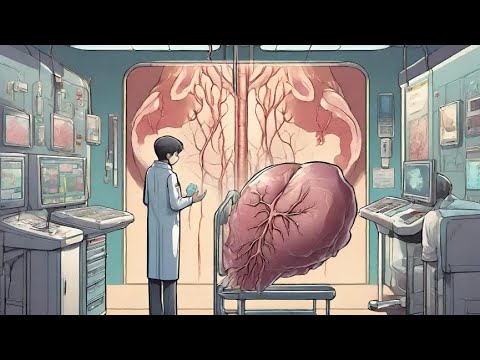
Table of Contents

The Gift of Life: Organ and Tissue Transplantation
Organ and tissue transplantation is a complex medical procedure that involves the transfer of healthy organs or tissues from a donor to a recipient. This life-saving treatment option provides a second chance at life for individuals suffering from end-stage organ failure or debilitating conditions.
Understanding Organ Donation
Organ donation is the process of giving an organ or a part of an organ to be transplanted into another person. It can occur in two ways: living donation and deceased donation. Living donation involves donating organs or tissues, such as a kidney or a portion of the liver, while the donor is still alive. Deceased donation, on the other hand, occurs after the donor has passed away.
The Importance of Deceased Donation
Deceased donation is a vital source of organs for transplantation. Currently, there are more than 100,000 men, women, and children in the United States awaiting organ transplants. By becoming a registered organ donor, you can potentially save up to 8 lives and improve the quality of life for many more.
The Journey of Organ Donation

The process of organ donation after death involves several steps, each playing a crucial role in ensuring the successful transplantation of organs and tissues.
Step 1: Transport
When a potential donor is identified, a specialized team of emergency medical technicians and paramedics is dispatched to the scene. They provide immediate medical care and transport the patient to the nearest hospital.
Step 2: Treatment
Upon arrival at the hospital, doctors and nurses continue life-saving measures, which may include administering IV fluids, blood replacement, and medication to support heart function and maintain blood pressure.
Step 3: Intensive Care
Once the patient’s vital signs stabilize, they are transferred to the intensive care unit (ICU) for further evaluation. Specialized tests are conducted to assess the extent of brain and organ damage.
Step 4: Brain Death Declaration
If brain death is diagnosed, meaning there is an irreversible loss of blood flow to the whole brain, the patient’s body is supported by artificial means, such as a ventilator, to maintain vital functions.
Step 5: Evaluation
Specially trained medical practitioners from the organ procurement organization (OPO) assess the patient’s medical suitability for organ donation. Factors such as age, overall health, and the presence of infectious diseases are taken into consideration.
Step 6: Authorization
The OPO or hospital staff discusses the patient’s death with their family and explains the donation process. If the patient had previously registered as an organ donor, this information is shared with the family. The family is given time to consider the donation decision and ask any questions they may have.
Step 7: Placement
Once consent is obtained, the donor’s information, including blood type, height, weight, and location, is entered into a national computer system managed by organizations like the United Network for Organ Sharing (UNOS). This system matches organs with suitable recipients based on various factors, including medical urgency and compatibility.
Step 8: Organ Recovery
Upon identification of suitable recipients, the donor is taken to an operating room where organs are surgically removed. The organs are then transported to the transplant hospitals where recipients are awaiting transplantation.
Step 9: Funeral
After organ recovery, the donor’s body is respectfully prepared according to the family’s wishes. It is possible to have an open-casket funeral even after organ donation.
Step 10: Follow-up
A few weeks after donation, the OPO sends a letter to the donor’s family, providing information about which organs were transplanted. The identities of the recipients are kept confidential, but donor families and recipients can choose to correspond with each other if they wish.
Types of Organs and Tissues for Transplantation

Organ and tissue donation can have a profound impact on the lives of individuals in need. Various organs and tissues can be transplanted, offering the gift of life and improved health.
Solid Organs
Solid organs, such as the heart, kidneys, liver, lungs, pancreas, and intestines, can be transplanted to individuals who have organ failure or dysfunction. These transplants can significantly enhance the quality and length of life for recipients.
Tissues
In addition to solid organs, several types of tissues can be donated and transplanted:
- Skin: Donated skin can be used to treat burn patients and aid in wound healing.
- Bone tissue: Bone tissue, including tendons and cartilage, can be used for reconstructive surgeries and joint replacements.
- Eye tissue: Corneas can be transplanted to restore vision for individuals with corneal damage or disease.
- Heart valves: Donated heart valves can be used in cardiac surgeries to replace damaged or diseased valves.
- Blood vessels: Donated blood vessels can be used in various surgical procedures, such as bypass surgeries and reconstructive surgeries.
Becoming an Organ Donor

Becoming an organ donor is a personal decision that can have a profound impact on the lives of others. By registering as an organ donor, you can ensure that your wishes are known and potentially save lives after your death.
Registering as an Organ Donor
To become a registered organ donor, you can sign up through your state or national organ donor registry. You can also indicate your decision on your driver’s license or carry a donor card. It is essential to discuss your decision with your family, as they may be asked to provide consent for organ donation after your death.
Eligibility for Organ Donation
While there is no age limit for organ donation, certain medical conditions or circumstances may affect the suitability of organs for transplantation. Factors such as infectious diseases, recent surgeries, or certain cancers may impact whether organs can be used for transplantation.
The Impact of Organ Donation
Organ donation has the power to transform lives and provide hope to individuals and their families. By donating your organs after death, you can potentially save multiple lives and improve the quality of life for many others. The impact of organ donation extends far beyond the recipients, touching the lives of their loved ones and the broader community.
Frequently Asked Questions
Conclusion
Organ donation after death is a selfless act that can have a profound impact on the lives of others. By becoming a registered organ donor, you have the power to save lives, improve health outcomes, and leave a lasting legacy. Consider registering as an organ donor today and discuss your decision with your family, ensuring that your wishes are known and can be honored. Together, we can make a difference and give the gift of life.

FAQs
What is organ donation after death?
Organ donation after death is the process of providing viable organs like heart, liver, or kidneys to recipients in need following registration and consent.
How do I register for organ donation?
To register for organ donation after death, sign up through your national registry or driver’s license and inform family to ensure awareness.
How many lives can one donor save?
A single organ donation after death can save up to eight lives and improve dozens more through tissue transplants.
Are there any eligibility criteria?
Eligibility for organ donation after death depends on medical history, organ health, and cause of death—final decision is by transplant teams.
Can families refuse organ donation?
Yes, even if registered, families can veto organ donation after death, which is why discussing intentions ahead of time is crucial.