

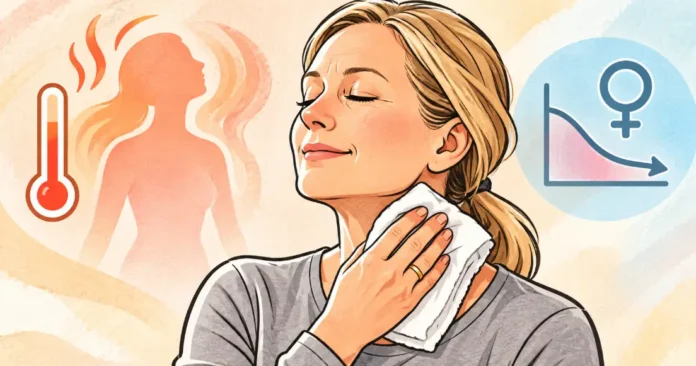

What causes menopause hot flashes after 50, and how can you manage them?
WomanlyZine.com
Menopause hot flashes after 50 occur when declining estrogen levels affect the brain’s temperature-regulation system, causing sudden warmth, sweating, and flushing. Effective management includes keeping cool, identifying personal triggers, improving sleep, and considering hormone therapy or evidence-based nonhormonal treatments with medical guidance.
Why Are Hot Flashes Still Happening After 50?
Hot flashes are among the most common and disruptive symptoms of menopause, affecting many women during their 50s and sometimes continuing well into their 60s. They occur when hormonal changes, particularly declining estrogen levels, affect the brain’s ability to regulate body temperature. The result can be a sudden wave of heat, facial redness, sweating, and an increased heart rate, even when the surrounding environment feels comfortable.
Although hot flashes are a natural part of the menopausal transition, women do not have to accept severe symptoms as an unavoidable consequence of aging. Evidence-based treatments, including menopausal hormone therapy (MHT), nonhormonal prescription medications, and targeted lifestyle adjustments, can significantly improve symptom control. Understanding why hot flashes happen, what triggers them, and which treatments are appropriate after age 50 can help women protect their sleep, daily comfort, and long-term well-being.
Table of Contents

What Are Menopause Hot Flashes?
A hot flash, medically known as a vasomotor symptom (VMS), is a sudden sensation of intense warmth that typically affects the face, neck, and chest before spreading to other parts of the body.
It may last from approximately 30 seconds to several minutes, although the duration and intensity vary considerably.
Common symptoms include:
- Sudden warmth spreading across the upper body.
- Facial and neck redness or flushing.
- Excessive sweating, sometimes soaking clothing.
- Increased heart rate or temporary palpitations.
- Chills or shivering after the sweating stops.
- Difficulty concentrating or returning to sleep.
Hot flashes can occur during the day or at night. When they happen during sleep, they are commonly called night sweats.
Some women experience only occasional episodes, while others experience multiple hot flashes throughout the day and night. The frequency can fluctuate, making symptoms difficult to predict.
Importantly, hot flashes are not simply a reaction to warm weather. They involve changes in the body’s internal temperature-regulation system.
Why Do Hot Flashes Happen After 50?
The primary cause of menopause-related hot flashes is the decline and fluctuation of estrogen during the menopausal transition.
Estrogen influences several systems throughout the body, including the hypothalamus, a small region of the brain responsible for regulating body temperature, sleep, and other essential functions.
How declining estrogen affects temperature regulation
Under normal circumstances, the hypothalamus maintains body temperature within a relatively stable range.
During menopause, changing estrogen levels influence the brain’s temperature-regulation pathways. This can narrow the body’s thermoneutral zone, which is the range of internal temperatures within which the body does not need to activate cooling or heating responses.
As a result, even a small increase in core body temperature can trigger a cooling response.
The body may react by:
- Dilating blood vessels near the skin.
- Increasing blood flow to the skin’s surface.
- Activating sweat glands to release heat.
- Increasing heart rate temporarily.
- Producing chills as the body cools down.
This explains why a woman may suddenly feel extremely hot in an air-conditioned room or wake up sweating despite sleeping in a relatively cool bedroom.
The role of brain chemicals
Research has also identified an important role for a group of brain cells known as KNDy neurons.
These neurons are involved in regulating reproductive hormones and body temperature. They interact with neurokinin signaling pathways, which help control the brain’s thermoregulatory responses.
When estrogen levels decline, these pathways become more active or dysregulated, contributing to hot flashes.
This discovery has helped researchers develop newer nonhormonal medications that target neurokinin receptors rather than replacing estrogen.
Key takeaway: Menopause hot flashes are caused by changes in the brain’s temperature-regulation system associated with declining estrogen, rather than simply by an inability to tolerate heat.
When Do Hot Flashes Start, and How Long Do They Last?
Hot flashes usually begin during perimenopause, the transitional period before menstrual periods stop completely. However, they can continue after menopause and may remain troublesome for several years.
Understanding the stages helps explain why symptoms can persist after age 50.
| Menopause stage | What happens | Hot flash patterns |
|---|---|---|
| Perimenopause | Estrogen fluctuates and menstrual cycles become irregular | Hot flashes may begin or become more frequent |
| Menopause | 12 consecutive months without a menstrual period | Symptoms may become more noticeable |
| Early postmenopause | Estrogen remains relatively low | Hot flashes and night sweats may continue |
| Later postmenopause | Hormonal levels remain relatively stable | Symptoms often improve, but may persist |
How long can menopause hot flashes last?
There is no fixed timeline.
A major longitudinal study from the Study of Women’s Health Across the Nation (SWAN), published in JAMA Internal Medicine, found that frequent vasomotor symptoms lasted a median of 7.4 years overall. Among women who experienced an observable final menstrual period, symptoms continued for a median of 4.5 years afterward. Individual experiences varied considerably. pubmed.ncbi.nlm.nih.gov+1
This means that experiencing hot flashes at age 55, 60, or even later does not necessarily indicate that something is wrong.
However, new or unusually severe episodes of sweating and flushing should not automatically be attributed to menopause, particularly if they begin many years after menstrual periods have stopped.
Common Hot Flash Triggers After 50
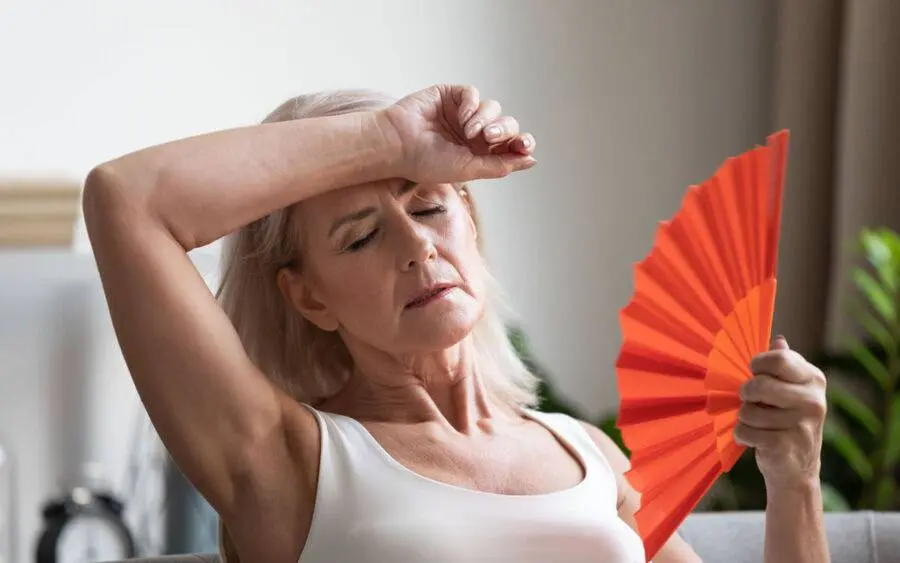
Although declining estrogen is the underlying cause of menopausal hot flashes, certain environmental and lifestyle factors may trigger or intensify individual episodes.
Recognizing personal triggers can help women develop a more effective management strategy.
Common triggers include:
1. Alcohol consumption
Alcohol can influence blood vessel dilation, sleep quality, and body temperature. Some women notice more frequent night sweats after drinking wine, beer, or spirits.
2. Caffeine
Coffee, strong tea, energy drinks, and other caffeinated beverages may worsen symptoms in some women, particularly when consumed later in the day.
3. Spicy foods
Capsaicin, the compound responsible for the heat sensation in chili peppers, can stimulate sensory nerve pathways and produce flushing or sweating.
4. Warm environments
Heated rooms, heavy bedding, hot baths, and insufficient ventilation can make temperature-regulation symptoms more uncomfortable.
5. Emotional stress
Anxiety, tension, and sudden emotional stress can activate the autonomic nervous system, potentially contributing to symptom episodes.
6. Smoking
Smoking is associated with earlier menopause and may increase the likelihood or severity of vasomotor symptoms.
7. Excess body weight
Higher body fat can affect heat dissipation and is associated with a greater burden of menopausal symptoms in some populations.
Not every woman responds to these triggers in the same way. Keeping a symptom diary for two to four weeks can help identify which factors are genuinely relevant.
How to Manage Menopause Hot Flashes Naturally
Lifestyle adjustments are a practical starting point for women experiencing mild or occasional hot flashes. They can also complement prescription treatment when symptoms are more severe.
However, it is important to distinguish between strategies that improve overall health and interventions that have been scientifically demonstrated to reduce hot flashes themselves.
1. Keep Your Bedroom Cool
Night sweats can interrupt sleep and leave women feeling exhausted the following morning.
Practical adjustments include:
- Maintain a comfortable, cool bedroom temperature.
- Choose breathable cotton or moisture-wicking sleepwear.
- Use lightweight bedding that can be adjusted easily.
- Keep a portable fan or cooling device nearby.
- Consider moisture-absorbing mattress protectors.
- Keep spare sleepwear available if sweating is frequent.
These measures may not correct the underlying hormonal changes, but they can make nighttime episodes easier to manage.
2. Adjust Your Diet
A balanced diet supports cardiovascular health, bone strength, metabolic function, and healthy aging.
Women over 50 should prioritize:
- Vegetables and fruits rich in vitamins and antioxidants.
- Whole grains and fiber-rich foods.
- Lean proteins, including fish, poultry, beans, and lentils.
- Calcium-rich foods to support bone health.
- Sources of vitamin D, which supports calcium absorption.
- Adequate hydration throughout the day.
Soy foods, including tofu, edamame, and soy milk, contain plant compounds called isoflavones.
Some studies suggest that soy isoflavones may provide modest relief for certain menopausal symptoms. However, results are inconsistent, and soy products should not be considered a proven replacement for medical treatment.
3. Maintain a Healthy Body Weight
Excess body fat can make temperature regulation more difficult and may contribute to the overall burden of menopausal symptoms.
For women carrying additional abdominal weight, gradual weight management may be beneficial.
A sustainable approach includes:
- Regular walking or other aerobic exercise.
- Resistance training two or three times per week.
- Adequate protein intake.
- Reducing highly processed foods.
- Limiting alcohol and sugar-sweetened beverages.
Weight management should focus on metabolic health, strength, and long-term well-being rather than rapid weight loss.
4. Exercise Regularly
Physical activity is particularly important after 50 because muscle mass and bone density naturally decline with age.
A balanced exercise routine may include:
| Exercise | Suggested frequency | Main benefit |
|---|---|---|
| Brisk walking | 30 minutes, 5 days weekly | Cardiovascular health |
| Resistance training | 2–3 days weekly | Muscle and bone support |
| Yoga or stretching | 2–3 days weekly | Flexibility and mobility |
| Balance exercises | 2–3 days weekly | Fall prevention |
Exercise is not a guaranteed treatment for hot flashes. However, it supports healthy aging, improves physical function, and may help reduce stress and improve sleep.
5. Reduce Stress and Improve Sleep
Stress management can be particularly helpful when anxiety and sleep disturbances accompany menopausal symptoms.
Useful approaches include:
- Maintaining a consistent bedtime.
- Practicing gentle breathing exercises.
- Reducing screen exposure before sleep.
- Trying mindfulness or meditation.
- Using relaxation techniques before bedtime.
Menopause-specific cognitive behavioral therapy (CBT) has stronger clinical evidence than many commonly promoted relaxation techniques. It can help women manage the distress associated with hot flashes, improve sleep, and reduce the impact of symptoms on daily life.
The National Institute for Health and Care Excellence (NICE) specifically recommends considering menopause-specific CBT for vasomotor symptoms and associated sleep difficulties. NICE+1
Medical Treatments for Hot Flashes After 50
When lifestyle changes are insufficient, several evidence-based medical treatments are available.
The appropriate option depends on symptom severity, age, time since menopause, medical history, personal preferences, and individual risk factors.
A. Menopausal Hormone Therapy (MHT)
Menopausal hormone therapy, previously commonly called hormone replacement therapy (HRT), is considered the most effective treatment for bothersome menopause-related hot flashes and night sweats.
It works by replacing estrogen that the body produces in lower amounts after menopause.
Available forms include:
- Estrogen tablets.
- Transdermal estrogen patches.
- Estrogen gels.
- Estrogen sprays.
Why progesterone may also be necessary
Women who still have a uterus generally need a progestogen alongside systemic estrogen.
Estrogen without adequate endometrial protection can stimulate the uterine lining and increase the risk of endometrial hyperplasia and cancer.
Women who have undergone a total hysterectomy can generally use estrogen-only therapy, subject to individual medical assessment.
Is hormone therapy safe after age 50?
For many healthy women, the benefits of starting hormone therapy for bothersome symptoms may outweigh the risks when treatment begins before age 60 or within 10 years of menopause.
However, treatment is not appropriate for everyone.
Important considerations include:
- Personal history of breast or other estrogen-sensitive cancer.
- Previous blood clots or stroke.
- Cardiovascular disease.
- Unexplained vaginal bleeding.
- Liver disease.
- Family and personal medical history.
The choice between oral and transdermal estrogen also matters. Transdermal preparations may have a more favorable blood-clot risk profile than oral estrogen in some circumstances.
Starting systemic hormone therapy for the first time after age 60 or more than 10 years after menopause generally requires greater caution because the balance of cardiovascular and other risks may be less favorable.
Treatment should be individualized, prescribed at an appropriate dose, and periodically reviewed with a qualified healthcare professional.
B. Nonhormonal Prescription Treatments
Some women cannot take hormone therapy or prefer to avoid it.
Several prescription medications can help reduce moderate to severe vasomotor symptoms.
1. Fezolinetant (Veozah)
Fezolinetant is a nonhormonal medication that blocks neurokinin 3 (NK3) receptors involved in the brain’s temperature-regulation pathways.
Unlike estrogen therapy, it does not replace reproductive hormones.
It is approved in the United States for moderate to severe menopause-related hot flashes.
An important safety consideration is its potential to cause serious liver injury. The FDA requires liver-function testing before treatment, monthly during the first three months, and again at months six and nine.
It is contraindicated in people with known cirrhosis under its US prescribing information. dailymed.nlm.nih.gov+1
2. Elinzanetant (Lynkuet)
Elinzanetant is another nonhormonal treatment approved by the US FDA in October 2025.
It works by blocking both neurokinin 1 (NK1) and neurokinin 3 (NK3) receptors, targeting neurological pathways involved in hot flashes.
Clinical trials evaluated its effectiveness in reducing moderate to severe vasomotor symptoms.
Like other prescription treatments, it requires medical assessment, including consideration of liver function, medication interactions, and potential adverse effects. FDA+1
3. Certain antidepressants
Some selective serotonin reuptake inhibitors (SSRIs) and serotonin-norepinephrine reuptake inhibitors (SNRIs) can reduce hot flashes.
Examples include:
- Low-dose paroxetine.
- Venlafaxine.
- Escitalopram.
These medications can be useful for women who cannot take estrogen or who also experience anxiety or depressive symptoms.
They can sometimes improve vasomotor symptoms even when the patient does not have clinical depression.
4. Gabapentin
Gabapentin is a medication primarily used for certain neurological conditions and nerve-related pain.
It can help reduce hot flashes, particularly nighttime symptoms, in some women.
Possible side effects include dizziness, drowsiness, and fatigue.
5. Oxybutynin
Oxybutynin is traditionally used to treat overactive bladder. It may also reduce hot flashes in selected patients.
However, its anticholinergic effects, including dry mouth, constipation, and potential cognitive side effects, require careful consideration, particularly in older adults.
Medication selection should be based on clinical circumstances rather than trying several treatments independently.
The Menopause Society and other professional organizations recognize several of these nonhormonal treatments as evidence-supported options. menopause.org+2
Natural Supplements: Do They Really Work?
Many women look for natural alternatives to hormone therapy, particularly when symptoms become uncomfortable after age 50.
Some supplements are marketed specifically for menopause, but natural does not automatically mean safe or effective.
Here is what women should know about commonly promoted products.
| Supplement | Proposed benefit | Evidence and considerations |
|---|---|---|
| Black cohosh | Hot flash relief | Evidence is inconsistent; potential liver safety concerns |
| Soy isoflavones | Mild reduction in symptoms | Some studies show modest benefits, but results vary |
| Red clover | Estrogen-like effects | Insufficient consistent evidence |
| Evening primrose oil | Menopause symptom relief | Limited evidence for hot flash improvement |
| Vitamin E | Antioxidant support | Not established as an effective hot flash treatment |
| Magnesium | Muscle and nerve function | Important nutrient, but not a proven hot flash treatment |
What about bioidentical hormones?
Bioidentical hormones are chemically similar or identical to hormones naturally produced by the human body.
Some approved hormone medications use bioidentical estradiol or micronized progesterone.
However, compounded bioidentical hormone preparations are different. They are custom-mixed and generally lack the same regulatory review for safety, effectiveness, and consistent dosing as approved products.
Women should not assume that compounded hormones are safer simply because they are described as natural or personalized.
For reliable symptom management, discuss regulated medications and evidence-based treatments with a menopause specialist.
When Should Women Over 50 See a Doctor?
Not every episode of sweating or flushing is caused by menopause.
Although hot flashes are common during the menopausal transition, other medical conditions can produce similar symptoms.
Possible alternative causes include:
- Thyroid disorders, particularly hyperthyroidism.
- Certain infections.
- Medication side effects.
- Blood glucose fluctuations.
- Sleep disorders.
- Some cardiovascular or neurological conditions.
- Less commonly, certain hormonal or other medical disorders.
Women should arrange a medical assessment if they experience:
- New hot flashes beginning long after menopause.
- Persistent or unexplained night sweats.
- Unintentional weight loss.
- Persistent fever or unusual fatigue.
- New or worsening heart palpitations.
- Symptoms that substantially interfere with sleep or daily activities.
Chest pain, severe shortness of breath, or fainting require urgent medical attention rather than being assumed to be menopause symptoms.
What happens during a medical evaluation?
A healthcare professional will generally review:
- Menstrual and menopause history.
- Frequency, duration, and severity of symptoms.
- Current medications and supplements.
- Personal and family medical history.
- Sleep patterns and associated symptoms.
Depending on the clinical presentation, additional investigations may include thyroid testing, blood glucose assessment, blood counts, or other targeted tests.
For otherwise healthy women aged 45 and older with typical menopausal symptoms, menopause is generally diagnosed clinically rather than through routine hormone blood testing.
This is because estrogen and follicle-stimulating hormone levels can fluctuate significantly during perimenopause.
A Practical Daily Routine for Managing Hot Flashes After 50
Managing menopause symptoms does not necessarily require dramatic lifestyle changes.
A consistent daily routine can help women identify triggers, improve sleep, and maintain overall health.
A sample daily menopause wellness routine
- Morning — Start with hydration and movement
- Drink a glass of water.
- Eat a balanced breakfast with protein.
- Take a 20–30-minute walk.
- Avoid excessively warm clothing.
- Afternoon — Maintain energy and nutrition
- Eat a balanced lunch with vegetables and lean protein.
- Stay hydrated.
- Take short movement breaks.
- Identify any food or environmental triggers.
- Evening — Prepare for better sleep
- Avoid alcohol if it triggers symptoms.
- Limit caffeine later in the day.
- Choose a comfortable bedroom temperature.
- Practice gentle stretching or relaxation.
- Before bedtime — Monitor symptoms
- Wear breathable sleepwear.
- Keep water and a fan nearby.
- Record nighttime sweating episodes.
- Maintain a consistent sleeping schedule.
Suggested wellness routine, not a substitute for individualized medical treatment.
Keep a menopause symptom diary
A symptom diary can help identify patterns that might otherwise be overlooked.
For two to four weeks, record:
| Information | What to record |
|---|---|
| Time | When the hot flash occurs |
| Frequency | Number of episodes per day |
| Severity | Mild, moderate, or severe |
| Duration | Approximate length of each episode |
| Possible triggers | Alcohol, caffeine, spicy foods, stress |
| Sleep impact | Nighttime awakening or disrupted sleep |
| Treatment | Medication or lifestyle changes |
This information can make medical appointments more productive and help determine whether a treatment is working.
Understanding the Long-Term Impact of Untreated Hot Flashes
Hot flashes are not simply an inconvenience. For women experiencing frequent or severe symptoms, their effects can extend into several areas of daily life.
Sleep disruption
Repeated night sweats can interrupt sleep and contribute to daytime fatigue, irritability, and reduced concentration.
Poor sleep may also make existing anxiety and mood symptoms more difficult to manage.
Emotional well-being
Unpredictable episodes can affect confidence, social activities, and professional performance.
Some women avoid exercise, meetings, or social situations because they worry about visible sweating or sudden facial flushing.
Cardiometabolic health
Vasomotor symptoms have been associated in research with certain cardiovascular risk markers and metabolic changes.
However, an association does not establish that hot flashes directly cause cardiovascular disease.
Women over 50 should continue to monitor established risk factors, including:
- Blood pressure.
- Cholesterol levels.
- Blood glucose.
- Body weight and waist circumference.
- Physical activity.
- Smoking status.
Importantly, hormone therapy should not be started solely to prevent heart disease or dementia. Its primary role is the treatment of bothersome menopausal symptoms and, in appropriate circumstances, prevention of bone loss.
A comprehensive approach to healthy aging should address both menopause symptoms and independent cardiovascular, metabolic, and bone-health risks.
FAQs

Why do menopause hot flashes happen after 50?
Menopause hot flashes after 50 happen primarily because declining estrogen levels affect the hypothalamus, the brain’s temperature-regulation center. This makes the body more sensitive to small temperature changes, triggering sudden warmth, facial flushing, sweating, and sometimes an increased heart rate.
How long do hot flashes last after menopause?
Hot flashes can continue for several years after menopause. Research suggests that frequent menopause symptoms last a median of 7.4 years overall, with symptoms continuing for approximately 4.5 years after the final menstrual period in some women. Duration varies depending on individual hormonal and health factors.
What is the best treatment for menopause hot flashes after 50?
Menopausal hormone therapy (MHT) is generally the most effective treatment for moderate to severe menopause hot flashes in women who are medically suitable candidates. Nonhormonal options include fezolinetant, elinzanetant, certain antidepressants, and gabapentin. Treatment should be selected according to individual medical history and risk factors.
How can I manage night sweats after menopause naturally?
Managing night sweats after menopause starts with keeping the bedroom cool, wearing breathable sleepwear, maintaining a consistent sleep schedule, and identifying personal triggers such as alcohol, caffeine, and spicy foods. Regular physical activity and maintaining a healthy weight can also support overall menopausal health.
Are hot flashes after 50 a sign of a serious health problem?
Hot flashes after 50 are commonly associated with menopause and are usually not dangerous. However, persistent night sweats, unexplained weight loss, fever, or new symptoms long after menopause should be evaluated by a healthcare professional to rule out other medical conditions.
Conclusion: Managing Menopause Hot Flashes Is Part of Healthy Aging
Menopause hot flashes after 50 are a common consequence of hormonal changes affecting the body’s temperature-regulation system. Although they can persist for years, they do not have to dictate how women sleep, work, exercise, or enjoy everyday life.
The most effective approach combines an understanding of personal triggers, healthy lifestyle habits, appropriate medical evaluation, and evidence-based treatment when necessary.
For women experiencing moderate to severe symptoms, menopausal hormone therapy remains the most effective established option when medically appropriate. Nonhormonal medications and menopause-specific cognitive behavioral therapy also offer valuable alternatives.
Most importantly, experiencing hot flashes should not mean accepting unnecessary discomfort as a normal part of getting older. With individualized care and the right management strategy, women can maintain comfort, confidence, and an active lifestyle throughout their 50s, 60s, and beyond.