



Lower leg pain is discomfort that occurs between the knee and ankle and may result from muscle strain, overuse injuries, circulation issues, nerve conditions, or bone problems. Identifying the underlying cause helps guide effective treatment, reduce symptoms, improve mobility, and prevent long-term complications.
WomanlyZine.com
Lower leg pain can strike unexpectedly—whether from shin splints, muscle cramps, or overuse—and disrupt your daily routines. In this comprehensive lower leg pain guide, discover effective relief techniques, prevention tips, and when to seek medical help to restore comfort and mobility fast.
As we go about our daily lives, our lower legs bear the brunt of our activities. Whether it’s walking, running, or simply standing, our lower legs are constantly in motion. However, experiencing pain in this area can significantly affect our quality of life. In this comprehensive guide, we will explore the various causes of lower leg pain, discuss the symptoms and diagnosis, and provide effective treatment options. It’s important to note that while some lower leg pain can be managed at home, other cases may require medical intervention. Let’s delve into the details.
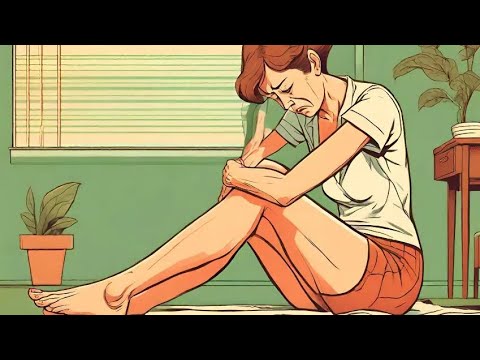
Table of Contents

Understanding Lower Leg Pain
Lower leg pain can manifest in different ways, ranging from a dull ache to sharp, stabbing sensations. It can be caused by a variety of factors, including muscle cramps, muscle strain, tendonitis, shin splints, stress fractures, deep vein thrombosis (DVT), chronic venous insufficiency, peripheral artery disease (PAD), peripheral neuropathy, and lumbosacral radiculopathy. Identifying the underlying cause is crucial in determining the appropriate course of treatment.
Muscle Cramps
Muscle cramps, commonly known as a “charley horse,” are involuntary muscle contractions that can cause sudden and intense lower leg pain. They often occur due to muscle fatigue or dehydration. Gentle stretching, proper hydration, and adequate warm-up exercises can help alleviate muscle cramps.
Muscle Strain
A muscle strain refers to the tearing of muscle fibers, usually caused by overstretching or overexertion. The calf muscles are particularly susceptible to strains. Symptoms include soreness, cramping, and swelling. Rest, ice, compression, and elevation (R.I.C.E) therapy, along with pain medication, can effectively manage muscle strains.
Tendonitis
Tendonitis is the inflammation of a tendon, the fibrous tissue that connects muscles to bones. Achilles tendonitis and posterior tibial tendonitis are common types that cause lower leg pain. Symptoms include pain, swelling, and stiffness. Treatment options include rest, ice, compression, elevation, anti-inflammatory medications, and physical therapy.
Shin Splints
Shin splints, also known as medial tibial stress syndrome, result from inflammation of the muscles, tendons, and tissues surrounding the shinbone. They often occur due to overuse or repetitive stress on the legs. Symptoms include pain along the inner edge of the shinbone during and after physical activity. Rest, ice, compression, and stretching exercises are typically recommended for managing shin splints.
Stress Fracture
A stress fracture is a tiny crack in a bone, commonly found in the lower leg. It is often caused by repetitive stress and overuse. Symptoms include localized pain that improves with rest. Treatment involves rest, immobilization, pain management, and sometimes surgical intervention.
Deep Vein Thrombosis (DVT)

Deep vein thrombosis occurs when a blood clot forms in a deep vein, typically in the lower leg or thigh. DVT can be life-threatening if the clot dislodges and travels to the lungs. Symptoms include calf pain, swelling, warmth, and redness. Prompt medical evaluation and treatment with anticoagulant medication are essential to prevent complications.
Chronic Venous Insufficiency
Chronic venous insufficiency occurs when the veins in the legs fail to efficiently return blood to the heart. This can lead to leg pain, swelling, skin changes, and the development of varicose veins. Elevating the legs and wearing compression stockings are common management strategies for chronic venous insufficiency.
Peripheral Artery Disease (PAD)
Peripheral artery disease is characterized by the narrowing of arteries in the legs, leading to reduced blood flow. It causes cramp-like pain in the calves, thighs, or buttocks, which worsens with activity and improves with rest. Lifestyle modifications, medication, and, in severe cases, angioplasty or bypass surgery are treatment options for PAD.
Peripheral Neuropathy
Peripheral neuropathy involves damage to the nerves in the limbs, resulting in decreased sensation, hypersensitivity, pain, and weakness. Managing the underlying cause, such as diabetes, and medications to control pain and improve nerve function are essential components of peripheral neuropathy treatment.
Lumbosacral Radiculopathy
Lumbosacral radiculopathy occurs when the nerves exiting the lower spine become compressed or irritated, leading to leg pain. Symptoms may include radiating pain, numbness, tingling, weakness, and difficulty with movement. Treatment options include rest, physical therapy, pain medication, and, in some cases, surgical intervention.
When to Seek Medical Attention
While some cases of lower leg pain can be managed at home with self-care measures, certain situations warrant prompt medical attention. If you experience severe, sudden pain accompanied by swelling, redness, warmth, or difficulty walking, it is crucial to consult a healthcare provider. Additionally, individuals with underlying health conditions such as diabetes or vascular disease should seek medical evaluation for lower leg pain to prevent potential complications.
Diagnosing Lower Leg Pain
Accurate diagnosis is essential for effective treatment. Physicians typically perform a thorough medical history review, physical examination, and may order additional tests based on the suspected cause of lower leg pain.
During the physical examination, the healthcare provider may assess the affected area for tenderness, swelling, or abnormalities. They may also perform specific tests to evaluate muscle strength, range of motion, and nerve function. Imaging studies such as X-rays, ultrasounds, CT scans, or MRIs may be ordered to identify fractures, soft tissue injuries, or vascular abnormalities.
Blood tests, including a complete blood count (CBC) and specialized tests, may be conducted to assess inflammation markers, electrolyte imbalances, or underlying medical conditions contributing to lower leg pain.
Treatment Options for Lower Leg Pain

Treatment for lower leg pain depends on the underlying cause and severity of symptoms. A combination of self-care measures, conservative treatments, and medical interventions may be recommended. Let’s explore the various treatment options:
Self-Care Measures
For mild cases of lower leg pain, self-care measures can provide relief and aid in recovery. These measures include:
- Resting the affected leg and avoiding activities that exacerbate pain.
- Applying ice packs to reduce inflammation and swelling.
- Compressing the leg with an elastic bandage or compression stockings to promote circulation and reduce swelling.
- Elevating the leg above heart level to reduce swelling.
Physical Therapy
Physical therapy plays a crucial role in managing lower leg pain, especially for conditions like muscle strains, tendonitis, and shin splints. A physical therapist can design a customized exercise program to strengthen the affected muscles, improve flexibility, and enhance overall leg function. They may also use modalities such as ultrasound, electrical stimulation, or manual therapy techniques to alleviate pain and promote healing.
Medications
Over-the-counter pain relievers such as acetaminophen (Tylenol) or nonsteroidal anti-inflammatory drugs (NSAIDs) like ibuprofen (Advil, Motrin) or naproxen (Aleve) can help alleviate pain and reduce inflammation. However, it’s important to consult a healthcare provider before taking any medication, especially if you have underlying medical conditions or are currently taking other medications.
For certain conditions like DVT, anticoagulant medications are prescribed to prevent clot formation and reduce the risk of complications.
Assistive Devices and Orthotics
In some cases, the use of assistive devices and orthotics can provide support and alleviate lower leg pain. These devices may include crutches, walking boots, or braces to immobilize the affected leg and promote healing. Orthotic inserts or shoe modifications can provide additional support, improve alignment, and reduce stress on the lower leg.
Minimally Invasive Procedures
For certain conditions such as chronic venous insufficiency or peripheral artery disease, minimally invasive procedures may be recommended. These procedures aim to improve blood flow and alleviate symptoms. Examples include endovenous ablation for varicose veins and angioplasty with stent placement for arterial blockages.
Surgical Intervention
In severe cases or when conservative treatments fail to provide relief, surgical intervention may be necessary. Surgical procedures may involve repairing damaged tendons, removing bone spurs, or bypassing blocked arteries. It’s important to discuss the risks, benefits, and expected outcomes with a healthcare provider before opting for surgical intervention.
Prevention Tips for Lower Leg Pain

Preventing lower leg pain involves adopting healthy lifestyle habits and taking precautions during physical activities. Here are some tips to reduce the risk of lower leg pain:
- Warm up properly before exercising or engaging in physical activities.
- Gradually increase the intensity and duration of physical activities to avoid overexertion.
- Wear appropriate footwear that provides proper support and cushioning.
- Maintain a healthy body weight to reduce stress on the lower limbs.
- Stay hydrated to prevent muscle cramps and dehydration-related issues.
- Take regular breaks and avoid prolonged periods of standing or sitting.
- Incorporate strength and flexibility exercises into your fitness routine to promote balanced muscle development.
Conclusion
Lower leg pain can significantly impact daily activities and overall well-being. Understanding the underlying causes, recognizing the symptoms, and seeking appropriate medical care are crucial for effective management. Whether it’s muscle cramps, tendonitis, shin splints, stress fractures, or more severe conditions like DVT or peripheral artery disease, various treatment options are available to alleviate pain and promote healing. By following prevention tips and adopting healthy habits, individuals can reduce the risk of future lower leg pain and maintain an active lifestyle. Remember, it’s always important to consult a healthcare provider for an accurate diagnosis and personalized treatment plan.

FAQs
What are common causes of lower leg pain and how can I find lower leg pain relief?
Common causes include shin splints, calf strain, cramps, and overuse. Lower leg pain relief often involves rest, ice, elevation, stretching, and over‑the‑counter pain relievers. For persistent issues, consult a healthcare provider.
Can home remedies effectively manage lower leg pain?
Yes. Home treatments like gentle stretching, ice packs, compression sleeves, and calf massages can relieve lower leg pain. Pair them with rest and OTC pain relief for best results.
When should I see a doctor for lower leg pain?
Seek medical attention if lower leg pain lasts over a week, worsens with activity, or comes with swelling, numbness, or warmth. A professional diagnosis ensures tailored lower leg pain relief.
How can I prevent recurring lower leg pain?
To avoid lower leg pain, warm up before exercise, wear supportive shoes, gradually increase activity, and do calf and shin strengthening exercises regularly.
Which exercises help relieve lower leg pain fast?
Effective exercises for lower leg pain relief include calf stretches, shin raises, foam roller massage, and toe-flexor strengthening. Start gently and increase intensity gradually.