



Stress impact women health by affecting hormone balance, immune response, sleep quality, emotional wellness, and long-term physical health over time. Chronic stress may increase risks related to anxiety, heart disease, fatigue, and digestive problems, while healthy coping strategies can support mental resilience, emotional stability, and overall well-being.
WomanlyZine.com
Stress significantly impacts women’s health, disrupting hormones, immunity, sleep, and mood. Understanding the stress impact on women’s health is essential—especially since women often face unique triggers and long‑term risks. This article explores why stress affects women differently and shares effective strategies to reclaim balance and vitality.
Stress is a common experience that affects everyone at some point in their lives. As woman navigate the challenges of middle age, stress can have a significant impact on their overall health and well-being. Understanding the symptoms of stress and learning how to manage them is crucial for maintaining a healthy lifestyle. In this article, we will explore the various physical, emotional, and behavioral symptoms of stress and provide practical strategies for stress relief and prevention.
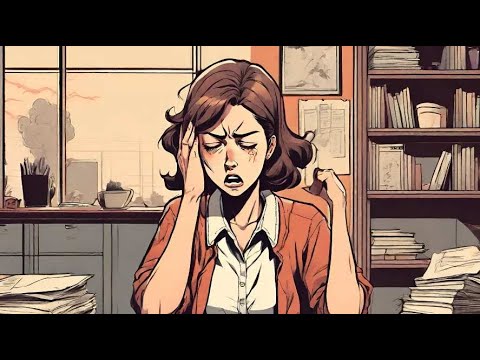
Table of Contents

What is Stress?
Stress is the body’s natural response to changes or challenges, known as stressors. These stressors can be both positive and negative, and the body’s stress response is designed to help us adapt and react accordingly. When faced with a stressor, such as a demanding work deadline or a challenging personal situation, the body releases hormones that trigger physical and mental responses. This is commonly known as the fight-or-flight response.
The Effects of Stress on the Body
Prolonged or chronic stress can have detrimental effects on the body. The body’s autonomic nervous system, which controls various bodily functions, including heart rate, breathing, and blood pressure, activates the stress response to help us cope with stressful situations. However, when stressors persist without relief or periods of relaxation, it can lead to physical, emotional, and behavioral symptoms.
Physical Symptoms of Stress
Stress can manifest itself in various physical symptoms, such as:
- Aches and pains throughout the body.
- Chest pain or a sensation of a racing heart.
- Persistent exhaustion or difficulty sleeping.
- Headaches, dizziness, or trembling.
- High blood pressure, increasing the risk of cardiovascular problems.
- Muscle tension and jaw clenching.
- Digestive issues, including stomach problems.
- Sexual difficulties.
- Weakened immune system, making the body more susceptible to illnesses.
Emotional and Mental Symptoms of Stress
Stress can also impact a person’s emotional and mental well-being. Some common emotional and mental symptoms of stress include:
- Feelings of anxiety or irritability.
- Episodes of depression, characterized by persistent sadness.
- Panic attacks, marked by intense fear and physical symptoms.
- Overwhelming feelings of sadness or hopelessness.
Unhealthy Coping Mechanisms
When faced with chronic stress, individuals may resort to unhealthy behaviors as a means of coping. These behaviors may provide temporary relief but can have long-term negative consequences. Some common unhealthy coping mechanisms include:
- Excessive alcohol consumption.
- Engaging in excessive gambling.
- Overeating or developing eating disorders.
- Compulsive participation in activities such as sex, shopping, or internet browsing.
- Smoking or using drugs.
Diagnosing and Assessing Stress

Stress is a subjective experience, making it challenging to measure objectively. The individual experiencing stress is the best judge of its presence and severity. Healthcare providers may use questionnaires and assessments to understand a person’s stress levels and how it affects their daily life.
In cases of chronic stress, healthcare providers can evaluate symptoms that result from stress, such as high blood pressure, and provide appropriate treatment and support.
Strategies for Stress Relief
While stress is unavoidable in life, there are various strategies that woman can employ to manage and alleviate stress. Incorporating these strategies into daily life can help prevent stress from becoming overwhelming.
Regular Exercise
Engaging in physical activity when stress symptoms arise can help reduce stress levels. Even a short walk or workout session can boost mood and alleviate tension. Regular exercise also promotes overall physical and mental well-being.
Celebrating Accomplishments
At the end of each day, take a moment to reflect on what you have accomplished rather than focusing on unfinished tasks. Celebrating small victories can help shift your mindset and provide a sense of accomplishment.
Setting Realistic Goals
Setting specific goals for each day, week, and month can help you feel more in control of your tasks and responsibilities. Breaking down larger goals into smaller, manageable tasks can alleviate stress and provide a sense of accomplishment as you make progress.
Seeking Professional Support
If stress becomes overwhelming, consider reaching out to a therapist or healthcare provider. Talking about your worries and concerns with a professional can provide valuable insights and strategies for managing stress effectively.
Preventing Stress

Prevention is key when it comes to managing stress. By incorporating healthy habits and lifestyle choices into your daily routine, you can reduce the likelihood of stress becoming overwhelming.
Relaxation Activities
Engaging in relaxation activities such as meditation, yoga, tai chi, breathing exercises, and muscle relaxation techniques can help reduce stress levels. These activities can be accessed through online programs, smartphone apps, and local gyms or community centers.
Prioritizing Self-Care
Taking care of your body is essential in managing stress. Focus on maintaining a balanced diet, engaging in regular exercise, and ensuring adequate sleep. These practices support your body in handling stress more effectively.
Cultivating a Positive Mindset
Practicing gratitude and maintaining a positive outlook can significantly impact your stress levels. Take time each day to acknowledge the good parts of your life and express gratitude for them. Accept that there are things beyond your control and find ways to let go of unnecessary worry.
Learning to Say No
Recognize your limits and avoid taking on additional responsibilities when you are already feeling stressed or overwhelmed. Learning to say no and setting boundaries is essential for maintaining your well-being and preventing excessive stress.
Building a Support Network
Stay connected with individuals who provide emotional support and help you manage stress. Surround yourself with friends, family members, or neighbors who can offer a listening ear and share responsibilities. Having a strong support network can prevent stress from becoming overwhelming.
The Duration of Stress
Stress can be a short-term issue or a long-term problem, depending on the circumstances and individual resilience. Regularly practicing stress management techniques can help prevent the physical, emotional, and behavioral symptoms associated with chronic stress.
Seeking Professional Help
If you feel overwhelmed, are using substances to cope with stress, or have thoughts of self-harm, it is crucial to seek medical attention. Your primary care provider can offer advice, prescribe medication if necessary, or refer you to a therapist or specialist who can provide appropriate support.
Conclusion
Stress is a common experience that can have a significant impact on woman’s health, especially during middle age. Understanding the symptoms of stress and implementing effective strategies for stress relief and prevention is vital for maintaining overall well-being. By incorporating healthy habits, seeking support, and practicing stress management techniques, woman can navigate the challenges of stress and lead a healthier and more fulfilling life. Remember, it’s okay to seek help when stress becomes overwhelming. You don’t have to face it alone.

FAQs
How does stress impact women’s health?
Stress impacts women’s health by disrupting hormone balance, weakening immunity, increasing anxiety, and raising the risk of heart problems and fatigue. Effective stress management tips for women include mindfulness, exercise, and quality sleep.
What are common symptoms of stress in women?
Common symptoms of stress in women include mood swings, insomnia, headaches, hormonal imbalance, digestive issues, and fatigue. These signs signal the need for stress management tips like yoga, deep breathing, or counseling.
Can stress affect women’s hormones?
Yes, stress and women’s hormones are closely linked. Chronic stress raises cortisol levels, leading to estrogen imbalance, menstrual cycle changes, reduced fertility, and worsened PMS symptoms. Hormone-balancing lifestyle changes help mitigate these effects.
What are effective women stress management tips?
Top women stress management tips include regular exercise, meditation or deep breathing, maintaining social support, improving sleep hygiene, and practicing time-management. These methods reduce the stress impact on women’s health and boost resilience.
How can women reduce the long‑term health risks of stress?
To reduce the long‑term stress impact on women’s health, women should adopt coping strategies—like balanced diet, mindfulness, consistent sleep, and physical activity—and seek medical support when needed to protect heart and mental health.