
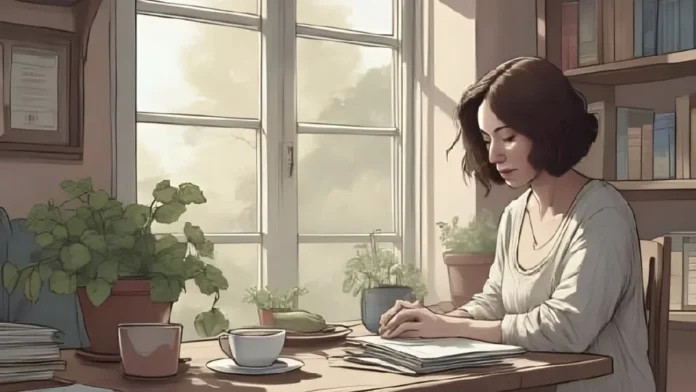

Rediscovering myself after motherhood means learning who I am once my daily role as “Mom” begins to fade. As my children left home, I faced identity loss, quiet emptiness, and unexpected renewal. This journey helped me reconnect with dreams, confidence, and the woman I was before motherhood.
WomanlyZine.com
Rediscovering myself after motherhood began the moment my last child left home, leaving behind a quiet emptiness I didn’t expect. For years, “Mom” shaped my identity, rhythm, and purpose. But once the house grew still, I was confronted with a question I had avoided: Who am I beyond motherhood?
When my youngest child packed her last box and closed the bedroom door behind her, the silence in the house felt almost physical—like a weight settling on my chest. I had known this moment would come. I had even prepared for it with logistical precision: the new apartment lease for her, the carefully labeled kitchen supplies, the late-night conversations filled with reassurance and advice. But what I hadn’t prepared for was what would happen to me once the door finally shut.
For twenty-plus years, “Mom” had been my primary identity—my instinct, my purpose, my title. I wore it proudly and willingly. Yet when my children stepped into their adult lives, eager and strong, I felt as though the longest chapter of my own life had ended abruptly, without a proper closing sentence. And suddenly, the question I had ignored for decades confronted me with uncomfortable clarity:
“Who am I when no one needs me the way they once did?”
This personal story is my journey through that emptiness, and how, through unexpected turns, I slowly found my way back to the woman I was before motherhood—and eventually, the woman I had become because of it.
Table of Contents

The First Days: A Quiet That Didn’t Feel Peaceful
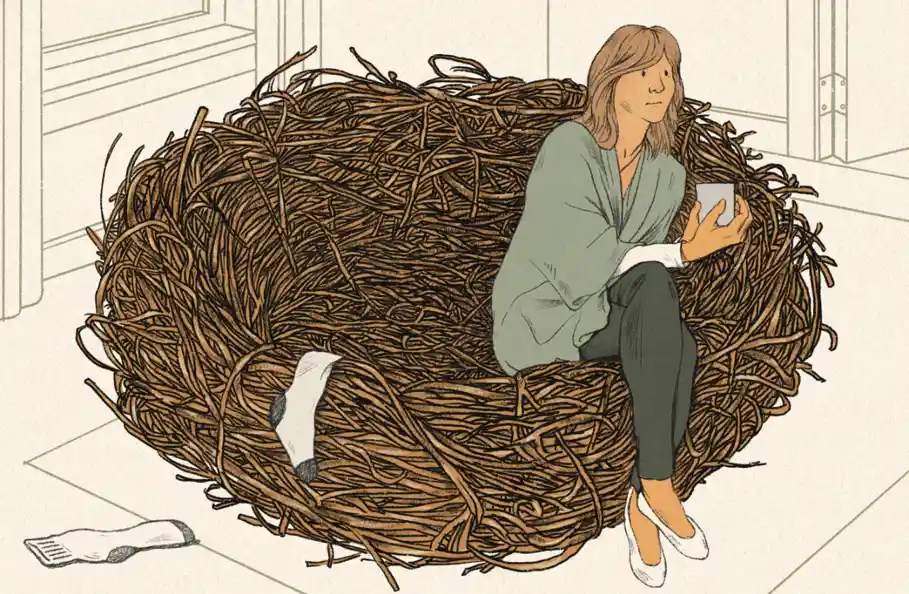
Everyone talks about the “empty nest” as if it’s a gentle transition, a bittersweet but manageable shift into more freedom. But the first week felt nothing like freedom to me. Instead, it felt like being dismissed from a job I had loved without warning.
I would catch myself waking up early for no reason, listening for footsteps that no longer came. I still cooked too much food, forgetting that no one would be home for dinner. Even the laundry basket looked strangely hollow, a reminder that the messy evidence of daily family life was gone.
The silence was not comforting—it was accusing.
It whispered, Your usefulness has expired.
I realize now that this reaction was not dramatic; it was human. Motherhood is not just a role. It is a full ecosystem. And when your children leave, that ecosystem collapses almost overnight.
The Unexpected Grief of Losing an Identity
It took me longer than I care to admit to understand that what I was feeling wasn’t simply sadness—it was grief. Not grief for my children; they were safe, healthy, and growing.
No, I was grieving the version of myself that existed only because they depended on me every single day.
I missed the chaos.
I missed the interruptions.
I missed the constant problem-solving that motherhood demands.
But the deeper grief was this:
I didn’t know what parts of myself remained without that role to anchor me.
Many people assume that grief belongs to death, heartbreak, or loss. But there is a unique kind of grief that comes from outgrowing a role you loved. It is a quiet ache, invisible to the outside world.
Searching for Me Under the Layers of “Mom”
About a month after both kids had moved out, I found myself cleaning the attic. At first, I told myself it was practical—decluttering, organizing, making better use of space. But deep down, I was searching for something. I didn’t know what.
Inside a dusty box, I found a stack of journals I had written in my twenties and early thirties—years before motherhood reshaped my identity.
Reading them felt like reading letters from a stranger.
This woman had dreams. She had ambition. She had opinions and fears and a strong sense of self.
She wrote about art, travel, friendship, love, career goals—nothing about after-school snacks or parent-teacher conferences or college applications.
For the first time in years, I cried—not because I missed my children, but because I missed her.
It struck me:
I hadn’t lost myself because motherhood took her away.
I had simply stopped checking in with her.
Rebuilding Slowly: A Life That Belonged to Me
Self-rediscovery is a slow rebuilding, not a dramatic transformation. And for me, it began with very small steps:
1. I took long walks with no destination.
I started noticing things I had forgotten to see—trees, clouds, birds, the way sunlight changes through the seasons.
2. I signed up for a pottery class.
My hands relearned creativity before my heart felt ready.
3. I reconnected with old friends—women who remembered who I used to be.
4. I allowed myself to be bad at new things.
For two decades, I had been the expert in my household. Suddenly not knowing something felt humbling, even liberating.
5. I accepted that my worth was not tied to being needed daily.
None of these steps were glamorous. None belonged in a movie montage. But these small choices collectively stitched together a version of myself that felt both familiar and completely new.
The Turning Point: Learning to Take Up Space Again

The real shift came when I realized I was no longer living in a waiting room—waiting for the next call, the next visit, the next moment my children needed me.
One afternoon, as I sat at a café reading a book (without checking my phone every few minutes), I felt a surprising calm wash over me. I wasn’t anxious. I wasn’t restless. I wasn’t counting down to anything.
I was simply… there.
Fully present.
Fully myself.
It felt like taking up space in my own life again after years of shrinking to fit everyone else’s needs.
I realized then:
I hadn’t lost myself. I had paused myself.
Now, I was pressing play.
A New Relationship With My Children—and With Myself
Interestingly, as I grew more comfortable with my own independence, my relationship with my children shifted in the most beautiful way.
Our conversations were no longer dominated by logistics or reminders or planning. Instead, we talked about ideas, dreams, struggles—adult to adult, not parent to child.
They no longer needed me for survival.
They needed me for support, wisdom, laughter, grounding.
Not every day, and not always urgently—but meaningfully.
And I realized that letting go of them had allowed me to return to myself.
Rediscovering myself had also created space for them to see me—not as “Mom the manager,” but as a whole human being.
The Woman I Am Now: Whole, Changed, and Growing
Today, I am a woman who:
- enjoys her own company, without guilt
- pursues interests that once felt impossible
- values quiet as much as connection
- understands that identity can evolve
- loves her children fiercely but no longer lives only through them
I am still a mother.
But I am also a friend, a learner, a creator, a woman with new dreams.
Motherhood shaped me, but it is not the boundary of who I am.
I didn’t lose myself when my children left home.
I found the courage to meet myself again.
FAQs
Why is rediscovering myself after motherhood so emotionally difficult?
Because identity after motherhood is deeply tied to being needed, many women feel empty nest healing takes longer as they rebuild confidence and self-purpose.
How do I start rebuilding my identity after motherhood?
Begin with small actions—new hobbies, social reconnection, and reflective journaling—to support rediscovering myself after motherhood and personal renewal.
Is it normal to feel lost when children leave home?
Yes. The empty nest phase often brings identity confusion, but it also creates space for growth, healing, and rediscovering long-paused dreams.
How can I overcome guilt when focusing on myself again?
Understand that identity after motherhood evolves. Self-care strengthens your well-being and supports healthier relationships with adult children.
What are signs that I’m rediscovering myself after motherhood?
Increased clarity, new interests, emotional balance, and renewed confidence—all strong indicators of personal renewal in the empty nest stage.