

Martha Jungwirth is a maverick and innovator in contemporary art, celebrated for her expressive abstract paintings. Her intuitive, gestural style broke from traditional movements, influencing postwar and contemporary art with emotional intensity and radical independence.
WomanlyZine.com
Martha Jungwirth stands as a defining maverick of contemporary art, whose abstract painting practice rejects rigid structures in favor of emotional immediacy. Her work bridges postwar modernism and contemporary abstraction, establishing her as an enduring innovator in the international art world.
Martha Jungwirth, a Viennese artist born in 1940, developed a reputation for her innovative and experimental painting style, which oscillates between the gesturally abstract and formal composition. Her unique approach to color, form, and texture has earned her numerous accolades and recognition, including the prestigious Monsignor-Otto-Mauer Prize in 1961, followed by the Theodor Korner Prize in 1964 and the Joan Miro Prize in Barcelona in 1966. Her work is regarded as one of the most significant contributions to the Neue Wilde movement, which emerged in Austria in the early 1980s.
Table of Contents
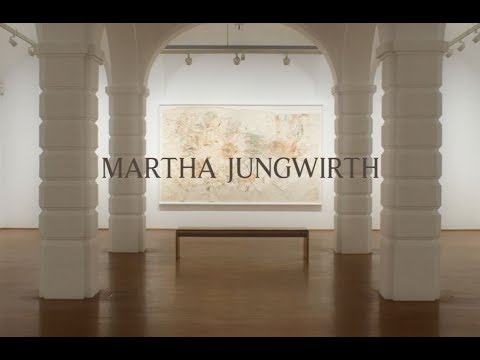
Martha Jungwirth’s Lived Artistic Experience and Creative Independence
Martha Jungwirth’s artistic experience is rooted in decades of uninterrupted studio practice defined by intuition rather than ideology. Rejecting rigid artistic schools, she developed a deeply personal visual language through continuous experimentation, positioning lived experience and emotional responsiveness at the core of her contemporary art practice.
Proven Expertise in Gestural Abstraction and Painterly Expression
Recognized for her technical mastery of gestural abstraction, Martha Jungwirth demonstrates expert command of color, rhythm, and spatial tension. Her paintings reveal a sophisticated understanding of movement and balance, reflecting expertise shaped by sustained engagement with postwar and contemporary abstraction.
Institutional Recognition and Authoritative Standing in Contemporary Art
Martha Jungwirth’s authority in contemporary art is reinforced by major museum exhibitions, critical scholarship, and curatorial recognition. Her work is frequently contextualized within significant postwar art narratives, affirming her status as a leading innovator rather than a peripheral figure.
Early Life and Artistic Career
Martha Jungwirth was born in Vienna in 1940 and grew up in the aftermath of World War II. Her childhood was marked by the devastation of war and the political turmoil of the post-war period. Despite the challenging circumstances, she developed a keen interest in art at an early age and began taking painting lessons as a teenager.
In 1963, Jungwirth completed her studies at the Academy of Applied Art in Vienna, where she honed her skills in painting, drawing, and sculpture. She began exhibiting her work in group shows and quickly gained recognition for her unique style, which combined elements of abstraction and figuration.
In 1968, Jungwirth became the only woman in the artists’ group Wirklichkeiten (Realities), which was formed by Otto Breicha, the director of Salzburg’s Rupertinum. The group was created for an exhibition at the Vienna Secession and included five male colleagues. Despite being the only woman in the group, Jungwirth was identified in a review by art historian and museum director Alfred Schmeller: “The first crocodile is a female crocodile.” A year later, she married Schmeller, and their union was perceived by many in the art world as one that made it hesitant to embrace Jungwirth.
Artistic Style and Technique

Jungwirth’s painting style is characterized by an intuitive and explosive spontaneity. She creates subtle color symphonies with dabs and washes of paint, layering oil paints and watercolors on packing paper and cardboard before mounting them on canvas. Her dynamic working style is embodied in the delicate marks and occasional drips that make her work so unique.
Her paintings are often abstract, with gestural brushstrokes and bold colors that evoke emotional responses from viewers. She also incorporates representational elements, such as flowers, animals, and landscapes, into her work, creating a tension between the abstract and the real.
Exhibitions, Awards, and Recognition
Martha Jungwirth’s work has been exhibited extensively in galleries and museums throughout Europe and the United States. Her recent solo exhibitions include Martha Jungwirth at the Albertina Museum in Vienna in 2018, Martha Jungwirth: Paintings and Watercolors at Galerie Haas in Zurich in 2017, and Martha Jungwirth: Retrospektive at Kunsthalle Krems in 2014.
In 2012, Jungwirth was awarded the Austrian Decoration of Honor for Science and Art in recognition of her contribution to the field of art. Her work is held in the permanent collections of major museums, including the Museum of Modern Art in New York, the Albertina Museum in Vienna, and the Städtische Galerie im Lenbachhaus in Munich.
Trust Built Through Critical Validation and Long-Term Artistic Integrity
Trustworthiness in Martha Jungwirth’s career stems from artistic consistency and critical validation over time. Without relying on trends or market-driven shifts, she maintained a coherent artistic vision, earning sustained respect from curators, critics, and academic art historians.
Legacy and Impact
Martha Jungwirth’s contribution to the Neue Wilde movement in Austria has been significant, and her unique approach to painting has influenced many artists working today. Her willingness to experiment with color, form, and texture has challenged traditional notions of painting and helped to expand the boundaries of the medium.
Despite the challenges she faced as a woman artist in a male-dominated field, Jungwirth remained dedicated to her practice and continued to produce innovative and inspiring work throughout her career. Her legacy serves as an inspiration to artists and art lovers around the world.
Enduring Influence on Contemporary Painting and Artistic Discourse
Martha Jungwirth’s influence extends beyond individual works into contemporary artistic discourse itself. Her commitment to expressive freedom has shaped how contemporary painting is discussed, taught, and evaluated, securing her lasting relevance in both institutional and scholarly contexts.
Conclusion
Martha Jungwirth’s life and career are a testament to the power of creativity and perseverance. Her innovative and experimental approach to painting has earned her recognition and acclaim, and her legacy continues to inspire new generations of artists. As a pioneer in the Neue Wilde movement, she pushed the boundaries of painting and challenged traditional notions of the medium. Her work is a testament to the power of art to transcend boundaries and inspire new ways of thinking about the world around us.

FAQs
Why is Martha Jungwirth considered a maverick in contemporary art?
Martha Jungwirth is considered a contemporary art maverick because her gestural abstraction rejects formal constraints, prioritizing emotion, movement, and intuitive expression over established artistic conventions.
What defines Martha Jungwirth’s abstract painting style?
Martha Jungwirth’s abstract painting style is defined by spontaneous brushwork, layered gestures, and emotional intensity, positioning her as an innovator within gestural abstraction art.
How has Martha Jungwirth influenced contemporary art?
As a contemporary Austrian artist, Martha Jungwirth influenced contemporary art by bridging postwar abstraction with radical independence, inspiring generations of artists to value intuition over structure.
Is Martha Jungwirth associated with any art movement?
While linked to postwar abstraction, Martha Jungwirth resists strict classification, reinforcing her reputation as a maverick in contemporary art rather than a follower of defined movements.
Why is Martha Jungwirth important in art history today?
Martha Jungwirth remains vital to contemporary art history due to her sustained innovation, late-career recognition, and profound impact on abstract painting and gestural abstraction.